Balham High Road carpet cleaning services guide
If your carpet on or near Balham High Road is looking tired, holding onto smells, or just never quite feels clean enough underfoot, you are not alone. Busy homes, rented flats, shops, and offices in this part of South London all put carpets through a lot: wet shoes, street grit, coffee spills, pet hair, and the sort of everyday wear that builds up quietly. This Balham High Road carpet cleaning services guide breaks down what professional carpet cleaning involves, why it matters, how to judge quality, and what to expect before you book. No fluff. Just the practical stuff that helps you make a decent decision.
Whether you are cleaning a family home, preparing for a tenancy change, freshening up a business space, or dealing with one awkward stain that will not budge, the right approach can make a noticeable difference. And to be fair, it is often less about "making it spotless forever" and more about restoring a healthy, presentable, comfortable surface you can actually live with.
Table of Contents
- Why Balham High Road carpet cleaning services guide Matters
- How Balham High Road carpet cleaning services guide Works
- Key Benefits and Practical Advantages
- Who This Is For and When It Makes Sense
- Step-by-Step Guidance
- Expert Tips for Better Results
- Common Mistakes to Avoid
- Tools, Resources and Recommendations
- Law, Compliance, Standards, or Best Practice
- Options, Methods, or Comparison Table
- Case Study or Real-World Example
- Practical Checklist
- Conclusion
- Frequently Asked Questions
Why Balham High Road carpet cleaning services guide Matters
Balham High Road is one of those places where foot traffic, weather, and daily life all meet on the carpet. People come in from pavements, buses, trains, nurseries, local cafes, and shops. Even if you vacuum regularly, fine dirt still settles deep in the fibres. Over time, that grime can dull colours, flatten pile, and create a stale feel that vacuuming alone will not fix.
A proper carpet cleaning service matters because it does more than improve appearance. It can help remove embedded dirt, reduce the look of traffic lanes, and tackle spills before they become permanent. For landlords and tenants, it can also help reset a property between occupiers. For businesses, it supports first impressions. Let's face it, a smart-looking carpet quietly says the whole place is looked after.
There is also a comfort angle. A fresher carpet changes the feel of a room almost immediately. You notice it when you walk barefoot from one room to another. You notice it when the air feels less dusty. You notice it when an old spill is no longer the first thing your eye catches every morning.
Expert summary: the best carpet cleaning outcome usually comes from three things working together: the right cleaning method, sensible preparation, and realistic expectations about what can and cannot be removed.
How Balham High Road carpet cleaning services guide Works
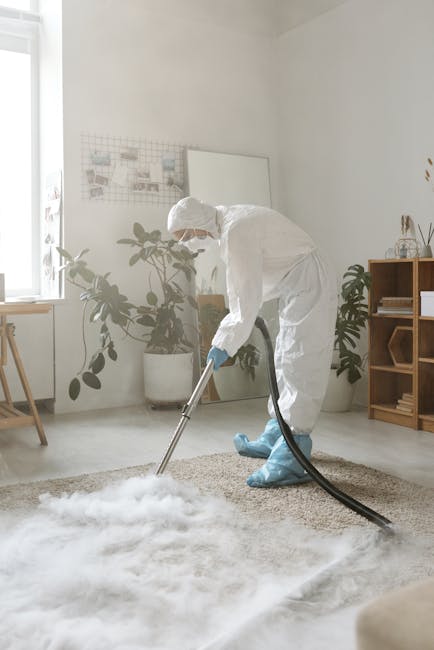
Professional carpet cleaning usually starts with an inspection. A cleaner looks at the fibre type, pile condition, level of soiling, stain history, and any delicate areas such as seams, joins, or backing. That step matters more than most people think. A wool carpet in a Victorian conversion needs a different touch from a synthetic carpet in a busy modern flat or office corridor.
From there, the service commonly follows a sequence: dry soil removal, stain spotting, pre-treatment, agitation if needed, and extraction or low-moisture cleaning depending on the method. Some carpets need hot water extraction. Others are better suited to encapsulation, bonnet cleaning, or a careful low-moisture process. There is no single "best" method for every carpet. Anyone telling you otherwise is probably simplifying things a bit too much.
Drying time, ventilation, and aftercare are part of the service too. A cleaner who explains how long the carpet may take to dry, whether furniture can go back right away, and how to avoid re-soiling is usually thinking beyond the job itself. That is a good sign.
If you want to understand the broader service landscape too, it can help to compare carpet care with deep cleaning, rug cleaning, or upholstery cleaning, because the same stain logic and fibre-care principles often apply.
Key Benefits and Practical Advantages
The biggest benefit is visual. A cleaned carpet usually looks brighter, less patchy, and more even in colour. But there is more going on than that.
- Better appearance: lifts tired fibres and reduces visible marks.
- Improved comfort: carpets feel softer and fresher underfoot.
- Odour reduction: helps with lingering food smells, pet odours, and general stuffiness.
- Longer carpet life: removing abrasive dirt can help fibres wear more evenly.
- Better property presentation: useful before lettings photos, viewings, or customer visits.
- More sensible maintenance: a clean base makes regular vacuuming more effective.
In busy homes, the practical advantage is time. You stop spot-cleaning the same patch and hoping for a miracle. In commercial spaces, the advantage is consistency. A smart, even carpet helps the whole room feel less tired. That may sound small, but it adds up fast.
There is also a hidden benefit: professional cleaning often reveals whether a mark is truly a stain or just surface soil. That distinction helps you decide what can be improved and what might need replacement. Useful, if slightly humbling.
Who This Is For and When It Makes Sense
This kind of service is useful for more people than you might expect. In Balham, it commonly makes sense for homeowners, renters, landlords, letting agents, offices, shops, and short-let hosts who need carpets looking respectable without guesswork.
It is especially relevant if you are dealing with:
- heavy footfall near entrances or hallways
- pet hair or pet-related smells
- drink spills, food stains, or mud marks
- moving in or moving out
- end-of-tenancy cleaning requirements
- post-renovation dust or builders' debris
- office carpets that have started to look flat and dull
If you are already arranging other services, carpet cleaning can be folded into a broader cleaning plan. For example, a move-out might involve move-out cleaning, or a rental refresh might include end of tenancy cleaning. A business premises could pair carpet care with office cleaning or commercial cleaning. Same idea, slightly different setting.
If your carpet has serious damage, fraying, or a deep structural issue, cleaning may still help cosmetically but it will not solve everything. That is worth saying plainly.
Step-by-Step Guidance
Here is a practical way to think through the process from start to finish.
- Identify the problem. Is it general dullness, one stain, bad odour, or a full-room refresh?
- Check the fibre type if you can. Wool, nylon, polyester, and blended carpets respond differently.
- Clear the space. Move small furniture, breakables, and anything that blocks access.
- Vacuum thoroughly. This removes loose grit so the professional clean can work better.
- Flag the trouble spots. Mention old spills, pet accidents, or areas that have already been treated.
- Choose the method carefully. Ask what is best for your carpet, not just what is fastest.
- Allow proper drying time. Ventilate the room if possible and avoid walking on it too soon.
- Follow aftercare advice. That usually means keeping shoes off, using protective pads, and not over-wetting spots later.
A small but important point: if you are booking multiple services in one property, think about the order. Carpet cleaning often works best after dusty jobs are done but before the final tidy-down. In practical terms, that can mean combining it thoughtfully with after builders cleaning or house cleaning, rather than leaving it as the very last thing after people have already moved furniture back and forth.
And yes, if you have ever tried to "just dab it a bit more" with a random towel, you are not alone. Most of us have done that. Usually with mixed results.
Expert Tips for Better Results
Good carpet cleaning is rarely about drama. It is about small, sensible choices made in the right order.
- Vacuum before the cleaner arrives. It helps remove loose dust and grit, which improves the final finish.
- Do not scrub stains aggressively. Scrubbing can spread the mark or damage fibres.
- Test cleaning products first. Especially on older carpets or bold colours.
- Be honest about previous spot treatments. Some products react badly with each other.
- Ask about drying expectations. Faster is not always better, but too much moisture is a problem.
- Open windows if weather allows. Even a bit of airflow helps.
- Use mats at entrances afterwards. A simple mat can save a lot of future wear.
One thing professionals often look for is recurring soil patterns. Hallways, sofa fronts, and desk areas usually take the brunt. If a cleaner points this out, they are not being fussy. They are reading the room properly.
For regular upkeep, combining carpet care with regular cleaning can make sense. The carpet stays in better shape between deeper visits, and you are less likely to get that slow, unnoticed build-up that suddenly becomes obvious one day in bright morning light.
Common Mistakes to Avoid
Some mistakes are tiny. Some are expensive. A few are both.
- Using too much water. Soaking the carpet can leave it damp for ages and may lead to odour or wicking.
- Ignoring fibre type. Wool and synthetic carpets do not behave the same way.
- Hiding stains instead of reporting them. A cleaner cannot plan around what they do not know.
- Waiting too long to treat spills. Fresh marks are usually easier to deal with.
- Falling for the cheapest quote without checking what is included. Hidden extras are never fun.
- Walking on the carpet too soon. That can re-soil fibres or flatten the finish.
- Expecting miracles on permanent damage. Some marks are set, faded, or chemically altered.
Another common one: people buy a powerful cleaner and assume stronger equals better. Not always. Strong products can make a stain look smaller and then spread the residue around the edge. Annoying, and very avoidable.
If you are dealing with a more delicate floor covering rather than a standard fitted carpet, it may be better to consider rug cleaning or even sofa cleaning for nearby soft furnishings at the same time, so the whole room feels balanced rather than half-done.
Tools, Resources and Recommendations
You do not need a van full of equipment to make a sensible decision. A few basics help a lot.
| Item or resource | Why it helps | What to look for |
|---|---|---|
| Vacuum cleaner | Removes loose grit before deeper cleaning | Strong suction and a clean filter |
| White cloths or towels | Useful for blotting spills without adding dye transfer | Lint-free and clean |
| Gentle spot treatment | Helps with fresh marks before a professional visit | Suitable for your carpet fibre |
| Airflow and ventilation | Speeds drying and reduces stuffy smells | Windows, open doors, or safe airflow |
| Service information | Helps compare what is included in a quote | Clear scope, timing, and aftercare guidance |
When you are comparing providers, a useful place to start is the company's own information on pricing and quotes. Look for clarity rather than clever wording. If the service page reads like it has been written to dodge questions, that is rarely a good sign.
You may also want to check practical trust pages such as insurance and safety and health and safety policy. Not glamorous reading, I know. Still, it tells you a lot about how seriously a cleaner treats your home or workplace.
Law, Compliance, Standards, or Best Practice
Carpet cleaning itself is not a heavily regulated service in the way some trades are, but good providers should still work to sensible UK standards and best practice. That means using cleaning chemicals responsibly, taking care around electrical equipment, protecting floors and furnishings, and being honest about limitations.
For landlords, letting agents, and tenants, carpet condition can become part of a broader property handover conversation. The exact expectations depend on the tenancy agreement, the condition of the carpet at the start, and fair wear and tear. It is wise to keep all claims grounded in the actual condition of the property, not assumptions. A clean carpet is one thing; an unfair deposit dispute is another.
For commercial settings, basic duty of care matters. Work should be carried out safely, with attention to slip risks, wet floors, cables, and drying time. A cleaner should be able to explain how they manage access, safety, and disruption, especially in premises with staff, visitors, or the public around. That is one reason pages like terms and conditions and payment and security can be useful before you book.
Best practice also includes environmental common sense. You do not need heroic claims; just careful use of water, sensible product choice, and waste reduction where possible. If sustainability matters to you, have a look at recycling and sustainability as part of your due diligence.
Options, Methods, or Comparison Table
Different carpet cleaning methods suit different situations. Here is a straightforward comparison to help you think it through.
| Method | Best for | Strengths | Trade-offs |
|---|---|---|---|
| Hot water extraction | Heavily soiled fitted carpets | Deep cleaning, good for embedded dirt | Longer drying time, not ideal for every fibre |
| Low-moisture cleaning | Busy areas or carpets that should dry faster | Less downtime, convenient for homes and offices | May be less aggressive on deep-set soil |
| Encapsulation | Commercial carpets and maintenance cleans | Quick turnaround, good for regular upkeep | Usually not the first choice for very dirty carpets |
| Bonnet cleaning | Surface refresh in some commercial settings | Fast and practical for visible improvement | Mostly surface-level rather than deep cleaning |
If you are unsure which method suits your situation, ask what outcome they expect and why. A good answer usually sounds specific rather than promotional. For example: "This is a wool blend with traffic lanes, so we would avoid over-wetting and aim for controlled extraction." That kind of answer has substance.
Sometimes a carpet does not need the most powerful method available. It needs the most appropriate one. Small difference, big result.
Case Study or Real-World Example
A fairly typical Balham scenario goes like this. A tenant in a flat just off Balham High Road notices the hallway carpet has gone dark in the walking line and picked up a faint smell from months of shoes, rain, and the occasional takeaway spill. Nothing dramatic, just enough to make the flat feel a bit less cared for.
The cleaning visit starts with a look at the carpet type and the worst affected areas. The cleaner spots that the hallway has heavier soil, while the bedroom carpet is mostly just dull rather than stained. The hallway needs more attention. The bedroom only needs a lighter touch. Sensible, not theatrical.
After vacuuming and pre-treating the traffic lanes, the cleaner uses a method chosen to limit over-wetting, then explains drying time and what to avoid for the rest of the day. By the evening, the flat feels fresher, the smell has reduced, and the hallway no longer looks like the room that gets all the bad luck. It is not magic. It is just good preparation and the right process.
If the same property also had a tired sofa or marked rugs, it would make sense to think about move in cleaning or a broader package that includes other soft furnishings. That way, the room feels coherent instead of half-refreshed. You know that feeling when one thing looks spotless and the rest still tells the old story? Better to avoid that.
Practical Checklist
Use this quick checklist before you book carpet cleaning on or near Balham High Road.
- Identify the carpet fibre if possible
- Note any old stains, spills, or pet accidents
- Vacuum the area first
- Move small furniture and fragile items
- Ask which method is recommended and why
- Confirm drying expectations
- Check what is included in the price
- Ask about insurance and safety
- Plan for access, parking, or entry if needed
- Set aside time for aftercare and ventilation
Quick takeaway: a better carpet cleaning result usually comes from clear communication before the visit, not clever products during it.
Get a free quote today and see how much you can save.
Conclusion
A good carpet cleaning service on Balham High Road should leave you with more than a nice-looking floor. It should give you clarity about the condition of the carpet, confidence in the method used, and a practical plan for keeping it in better shape afterwards. That matters whether you are caring for a family home, getting a rental ready, or keeping a commercial space looking sharp.
The real value of this Balham High Road carpet cleaning services guide is simple: know what you need, ask decent questions, and choose the approach that fits the carpet rather than forcing the carpet to fit the approach. That mindset saves hassle. Usually money too. And honestly, it just feels better when the room smells clean and looks properly looked after.
For a more rounded view of the company behind the service, you can also explore about us or contact us if you are ready to talk through your needs. A clear conversation at the start tends to make everything easier at the end.
Frequently Asked Questions
How often should carpets on Balham High Road be professionally cleaned?
It depends on foot traffic, pets, children, and whether the carpet is in a home or business. Busy areas usually need more frequent attention than spare rooms. If the carpet starts to look dull, smell stale, or hold onto marks despite vacuuming, that is usually your cue.
What is the best carpet cleaning method for a home?
There is no single best method for every home. Hot water extraction is often used for deeper cleaning, but low-moisture options can be better for quicker drying or more delicate carpet fibres. The right choice depends on the material and condition of the carpet.
Will professional carpet cleaning remove every stain?
No, and it is better to be upfront about that. Some stains are permanent, some have chemically changed the fibres, and some have been made worse by previous DIY treatment. A good cleaner should explain what is realistic before starting.
How long does carpet cleaning take to dry?
Drying time varies with the method used, room ventilation, carpet thickness, and how much moisture was applied. A cleaner should give you a sensible expectation before the job. If a carpet is still damp for an unusually long time, that is worth following up.
Can carpet cleaning help with bad smells?
Yes, especially if the odour is trapped in the fibres from general use, food, pets, or everyday grime. It may not solve deeper issues like underlay damage or persistent moisture, but it often helps more than people expect.
Is carpet cleaning worth it before moving out?
Often, yes. End-of-tenancy situations can be sensitive, and a fresh carpet can improve the overall presentation of the property. It is also useful when paired with end of tenancy cleaning, because the whole place tends to look more complete.
Should I vacuum before the cleaner arrives?
Yes, if you can. It makes a real difference by removing loose dirt and grit before deeper cleaning begins. That helps the cleaner focus on the embedded soil rather than just the surface mess.
How do I know if a carpet cleaner is trustworthy?
Look for clear explanations, transparent pricing, practical aftercare advice, and sensible information about safety and insurance. Pages such as insurance and safety and complaints procedure can help you judge how seriously the company treats service standards.
Can carpet cleaning damage wool carpets?
It can if the wrong chemicals or too much water are used. Wool needs careful handling, so the method should be matched to the fibre. That is why inspection and test patches matter. A cautious cleaner is usually the right cleaner here.
What should I do after carpet cleaning?
Keep traffic to a minimum until the carpet is dry, ventilate the room if possible, and follow any aftercare advice you are given. Try not to replace furniture too soon unless the cleaner says it is fine. Small patience, big payoff.
Is carpet cleaning useful for offices and commercial premises too?
Absolutely. Office and commercial carpets often show wear quickly because of footfall, rolling chairs, and daily traffic patterns. A structured maintenance plan can keep the space looking more professional and reduce the "worn down by Tuesday" feeling that some workplaces develop.
Where can I find more details about costs and booking?
You can start with pricing and quotes and then contact the team directly if you need a more tailored estimate. The more specific you are about carpet type, room size, and problem areas, the more useful the quote will be.