Communal Area Cleaning for Safer, Cleaner, and More Welcoming Shared Spaces
Communal area cleaning is one of the most important services for maintaining a clean, healthy, and attractive environment in shared buildings. Whether you manage an apartment block, a residential complex, a student property, or a mixed-use site, the condition of communal spaces says a lot about the property itself. Clean hallways, spotless stairwells, well-kept lobbies, and hygienic touchpoints help create a positive first impression while also supporting the wellbeing of everyone who uses the space.
In busy shared environments, dirt and clutter build up quickly. Foot traffic brings in dust, mud, litter, and allergens. Handrails, buttons, door handles, lift panels, and communal bins can become high-contact surfaces that need regular attention. That is why communal area cleaning is more than a cosmetic task; it is a practical, ongoing responsibility that affects safety, comfort, and property value.
Many people only notice communal area cleaning when it is not done well. A neglected entrance or dirty corridor can make an entire building feel unwelcoming. On the other hand, a well-maintained shared space gives residents, visitors, and staff confidence that the property is cared for. This article explores what communal area cleaning includes, why it matters, how it works, and what building managers should consider when arranging professional support.
What Is Communal Area Cleaning?
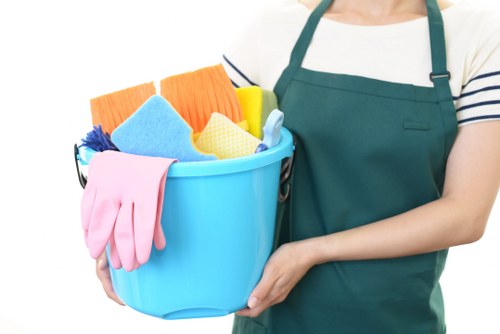
Communal area cleaning refers to the cleaning and upkeep of shared spaces used by multiple people in residential, commercial, or mixed-use properties. These areas may include hallways, staircases, entrances, reception areas, lifts, landings, corridors, shared kitchens, shared bathrooms, bin stores, laundry rooms, and external walkways. The exact scope depends on the building type and the needs of the occupants.
The purpose of communal area cleaning is to keep these spaces hygienic, safe, presentable, and functional. Unlike private domestic cleaning, communal cleaning often follows a planned schedule and may involve repeat visits to ensure standards remain consistent. It usually requires a structured approach because shared spaces experience heavier use than private rooms.
Effective communal area cleaning typically involves dusting, vacuuming, mopping, disinfecting touchpoints, removing waste, cleaning glass, and monitoring for issues such as spills, odours, or blocked access points. In many buildings, the service is tailored to match footfall, occupancy, and seasonal needs.
Why Communal Area Cleaning Matters

Clean shared areas do much more than improve appearance. They help reduce the spread of germs, limit the accumulation of dust and debris, and create a safer environment for everyone. In busy buildings, communal area cleaning supports health by lowering exposure to bacteria, allergens, and contaminants that are carried in from outside.
Safety is another major reason. Slip hazards from wet floors, trip risks from clutter, and poor visibility in neglected spaces can all lead to accidents. Regular communal area cleaning helps address these risks by keeping floors clear, surfaces dry, and walkways free from obstruction. For property managers, this can also support duty-of-care responsibilities.
There is also a strong visual and financial benefit. A building with professional communal cleaning often appears more valuable and better managed. This can influence resident satisfaction, tenant retention, and even rental or resale appeal. Well-maintained communal spaces communicate pride in the property and attention to detail.
Common Areas Included in Communal Area Cleaning
Different buildings need different cleaning plans, but the following areas are frequently included in communal area cleaning schedules:
- Entrances and foyers
- Hallways and corridors
- Stairwells and stair rails
- Lifts and lift controls
- Reception spaces
- Shared kitchens and break areas
- Shared toilets and washrooms
- Bin stores and waste collection points
- External pathways, thresholds, and canopies
- Mail areas, noticeboards, and parcel spaces
Each of these areas has different cleaning requirements. For example, stairwells may need frequent vacuuming and rail disinfection, while entrance areas may require more attention to glass, mats, and floor surfaces. A good communal cleaning plan considers traffic patterns, weather exposure, and the kind of materials used in the building.
In some properties, communal area cleaning also extends to specific shared items such as mirrors, switches, intercom panels, benches, and shared storage facilities. The more precisely the service is defined, the better the results.
Key Tasks in a Professional Communal Cleaning Service
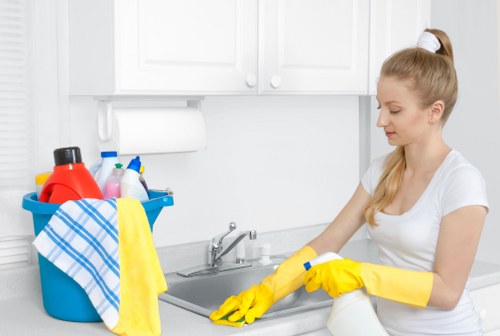
A professional communal area cleaning service usually includes a mixture of routine and detail-focused tasks. These may be carried out daily, weekly, or at another agreed frequency depending on occupancy and usage. The aim is to keep the environment consistently fresh and safe.
Typical tasks include sweeping, vacuuming, mopping, dusting, wiping touchpoints, sanitising handles, emptying bins, cleaning internal windows, polishing surfaces, and reporting maintenance issues. Where needed, cleaners may also remove cobwebs, clean skirting boards, and address marks on walls or doors.
Some service providers use checklists to ensure nothing is missed. This is especially helpful in larger buildings where communal area cleaning must be reliable and repeatable. Checklists can also help managers monitor standards and make sure the most important tasks are completed at the correct intervals.
Examples of routine tasks
- Vacuuming carpets and runners
- Mopping hard floors
- Cleaning handrails and bannisters
- Disinfecting door handles and buttons
- Removing litter and debris
- Wiping down ledges, sills, and fixtures
- Cleaning entrance glass and mirrors
How Communal Area Cleaning Improves Health and Hygiene

Shared buildings can be hotspots for the transfer of germs because so many people touch the same surfaces. Communal area cleaning helps reduce that risk by addressing high-contact points regularly. This is especially important in apartment buildings, offices, healthcare-adjacent properties, schools, and mixed-use developments where people move through shared spaces all day.
Good hygiene also helps with indoor air quality. Dust, pollen, pet hair, and small particles often settle in corridors and on flooring. Without regular cleaning, these contaminants can circulate or build up over time. For people with allergies or respiratory sensitivities, cleaner communal areas can make a noticeable difference.
Regular disinfection of touchpoints and proper waste management are essential parts of communal cleaning. They reduce odours, discourage pests, and help prevent the spread of bacteria. A building that receives consistent cleaning is less likely to develop the kinds of problems that become expensive and unpleasant to fix later.
Health-focused benefits
- Reduced germ transmission on shared surfaces
- Lower dust and allergen levels
- Improved hygiene in frequently used areas
- Better odour control and waste handling
- Support for resident comfort and wellbeing
Professional Communal Area Cleaning vs Basic Upkeep
Some buildings rely on residents or staff to perform basic tidying, but this is not the same as professional communal area cleaning. Basic upkeep may include occasional sweeping, taking out rubbish, or wiping a surface when it looks dirty. Professional cleaning, by contrast, follows a structured standard and is designed to deliver consistent results.
The difference often comes down to detail, frequency, and accountability. A trained cleaner knows how to work efficiently, use the right products, and identify issues before they get worse. They also understand which surfaces require special care, such as polished floors, glass panels, stainless steel, or textured materials.
For larger buildings, professional communal cleaning can be a smarter long-term investment. It reduces complaints, improves presentation, and helps preserve finishes and fittings. It also allows managers to focus on operations rather than reacting to cleaning problems after they appear.
Why professional service stands out
- Consistent schedules and quality control
- Specialist equipment and products
- Safer handling of cleaning chemicals
- Better attention to detail
- Faster identification of maintenance concerns
Choosing the Right Communal Cleaning Schedule
The best cleaning schedule depends on the size of the property, the number of occupants, the type of use, and the level of traffic. A small residential block may only require weekly communal area cleaning, while a busy office building or large apartment complex may need daily attention to maintain standards.
It is helpful to think about peak usage times. For example, entrances and lifts may need more frequent cleaning during mornings and evenings when traffic is highest. External areas may require extra care after bad weather, and bin rooms may need closer monitoring when waste collection schedules vary.
Seasonal changes also matter. During winter, mud, salt, and moisture are often tracked into buildings. In warmer months, dust and odours may be more noticeable. A flexible cleaning plan ensures the service remains effective all year. Regular review of the schedule can help keep communal area cleaning aligned with real-world conditions.
Schedule factors to consider
- Building size and layout
- Number of users or residents
- Type of flooring and surfaces
- Weather exposure and outdoor access
- Waste volume and hygiene needs
How Communal Area Cleaning Protects Property Value
Property presentation matters. Buyers, tenants, visitors, and inspectors all notice when shared spaces are well maintained. Clean communal areas make a property feel cared for, which can support rental demand, tenant satisfaction, and long-term asset value. Even subtle details such as clean skirting, polished floors, and fresh-smelling corridors can shape perception.
Neglected shared spaces often lead to complaints and may create the impression that other aspects of the building are also poorly managed. Over time, dirt can stain floors, damage finishes, and contribute to wear and tear. Regular communal area cleaning helps protect surfaces from this gradual deterioration.
There is also a practical maintenance benefit. Cleaners often notice leaks, light failures, damaged fixtures, or signs of vandalism early. By reporting these issues promptly, they help prevent larger repair bills. In this way, communal area cleaning supports both appearance and maintenance planning.
Best Practices for Effective Communal Area Cleaning
To get the best results, communal area cleaning should be planned with clear expectations and measurable standards. The cleaner or cleaning team should know exactly what needs to be done, how often it needs to happen, and what level of finish is expected. Clear communication helps avoid missed tasks and keeps everyone aligned.
Using the right products and tools is equally important. Microfibre cloths, vacuums with suitable filters, floor-safe detergents, and approved disinfectants all contribute to better outcomes. The cleaning approach should also match the surface type to prevent damage or residue build-up.
Consistency is key. One-off cleaning can improve appearance temporarily, but only a regular service keeps communal spaces presentable over time. Managers should also review the service periodically to ensure standards remain high and the schedule still matches building needs.
Practical best practices
- Use a detailed cleaning checklist
- Focus on high-touch surfaces
- Adapt the schedule to traffic levels
- Choose products suitable for each surface
- Record issues and maintenance concerns promptly
- Review service quality regularly
Communal Area Cleaning in Residential Buildings
In residential properties, communal area cleaning plays a central role in everyday life. Residents use shared entrances, stairwells, lifts, and corridors repeatedly, so cleanliness directly affects comfort and satisfaction. A tidy building feels more welcoming and helps residents feel proud of where they live.
Apartment blocks often face specific cleaning challenges such as heavy foot traffic, pet hair, food spills, parcel handling, and seasonal dirt from outdoor shoes. Communal cleaning helps manage these issues before they spread. It also supports respectful shared living by maintaining a standard that benefits everyone in the building.
For landlords and managing agents, regular communal area cleaning can also reduce disputes and complaints. Residents are more likely to feel that management is responsive when shared spaces are maintained properly. This can improve trust and make day-to-day living more pleasant.
Communal Area Cleaning in Commercial and Mixed-Use Sites
Commercial properties and mixed-use buildings often need more complex communal area cleaning because different groups use the space throughout the day. Offices may require spotless reception areas and conference corridors, while mixed-use developments may include residential entrances, retail frontages, and shared service areas that all need different treatment.
In these settings, presentation is closely tied to brand reputation. A dirty lobby or untidy corridor can affect how clients, staff, or customers perceive the business. Clean communal spaces reinforce professionalism and support a polished image.
Mixed-use sites also tend to have varying cleaning windows, with some areas requiring out-of-hours work to avoid disrupting occupants. This makes planning especially important. The cleaning provider should be able to work around building access, security procedures, and usage patterns without compromising quality.
Environmentally Responsible Cleaning Approaches
Many organisations now look for environmentally responsible communal area cleaning solutions. This may involve using lower-impact products, reducing unnecessary waste, selecting refillable containers, and avoiding overuse of chemicals. Sustainable cleaning practices can support both environmental goals and indoor comfort.
Green cleaning does not mean lowering standards. In fact, when applied correctly, environmentally conscious products and methods can deliver excellent results while reducing harsh residues and strong odours. This is especially useful in enclosed communal spaces where air quality matters.
Waste reduction is another important part of responsible cleaning. Efficient use of supplies, proper recycling practices, and regular waste removal help keep communal areas clean without creating avoidable environmental strain.
Sustainable cleaning ideas
- Use concentrated or refillable products where suitable
- Choose microfibre tools to reduce disposable waste
- Separate recyclable waste correctly
- Limit chemical use to what is genuinely needed
- Schedule cleaning efficiently to avoid unnecessary visits
How to Evaluate Communal Area Cleaning Quality
Quality should be visible, consistent, and measurable. A good communal area cleaning service leaves no obvious dust, litter, smears, or unpleasant odours. Floors should look cared for, surfaces should feel clean to the touch, and high-contact points should be regularly sanitised.
Managers can assess quality through walk-through inspections, resident feedback, cleaning logs, and issue reports. If the same problems keep appearing, the schedule or process may need adjustment. Good cleaning providers are usually open to reviewing expectations and making improvements where necessary.
It is also helpful to compare what is promised with what is delivered. If a contract says lifts, corridors, and entrances will be cleaned regularly, those areas should show a clear standard of care. Communication and transparency support a better overall service.
Signs of good performance
- Visible cleanliness in all key shared areas
- Reliable attendance and completed tasks
- Prompt reporting of defects or hazards
- Minimal resident complaints about cleanliness
- Consistent standards across visits
Why Communal Area Cleaning Deserves Regular Investment
It is easy to see communal area cleaning as a routine cost, but it is better understood as a long-term investment in the building and the people who use it. Shared spaces are among the most visible parts of any property, and their condition affects everything from safety and hygiene to morale and market appeal.
When communal areas are cleaned properly, the entire building feels more organised and cared for. Residents are more comfortable, visitors are more impressed, and managers spend less time dealing with avoidable issues. Over time, this creates a smoother and more professional environment for everyone involved.
If you are responsible for a shared property, now is the right time to review your current cleaning arrangements. Make sure the service matches the level of use, the expectations of occupants, and the standards your building deserves. Book your service now or contact us today to take the next step toward cleaner, safer communal spaces.
Final Thoughts on Communal Area Cleaning
Communal area cleaning is essential for maintaining shared environments that are hygienic, attractive, and functional. From entrances and stairwells to lifts and lobbies, every shared area contributes to the overall impression of a building. With the right schedule, the right tools, and a consistent approach, communal cleaning can transform the experience of living or working in a shared property.
Whether the goal is better hygiene, improved safety, stronger presentation, or better long-term value, communal area cleaning delivers real benefits. It supports the people who use the building every day and helps protect the property itself. In a world where first impressions matter, clean communal spaces are never wasted effort.
Contact us today to improve your shared environment and keep your building looking its best. Book your service now and make communal area cleaning a reliable part of your property care plan.