House Cleaning: A Practical, Stylish, and Effective Approach to a Healthier Home
House cleaning is more than a weekend chore. It is a powerful way to create a healthier, calmer, and more welcoming living space. Whether you live in a small apartment, a busy family home, or a larger property that needs regular upkeep, house cleaning plays a major role in comfort and quality of life. A tidy environment can reduce stress, improve indoor air quality, and make daily routines feel smoother and more manageable.
Many people think of house cleaning as simply dusting, vacuuming, and wiping surfaces, but it is much broader than that. Good cleaning habits support hygiene, preserve furniture and finishes, and help prevent grime from building up over time. With the right strategy, house cleaning becomes less overwhelming and more efficient, even for households with packed schedules. Consistent cleaning is often easier than deep cleaning after long delays.
In this article, you will find practical insights into how house cleaning works, why it matters, which areas deserve attention, and how to create a routine that fits your lifestyle. From daily maintenance to seasonal tasks, the right approach can transform the atmosphere of your home. Clean spaces tend to feel brighter, calmer, and more inviting.
Why House Cleaning Matters for Every Home
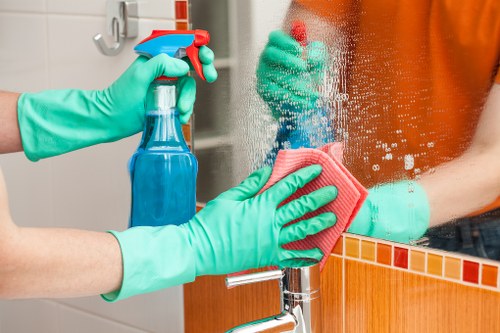
House cleaning supports more than appearances. A clean home helps reduce dust accumulation, allergens, pet dander, and bacteria that can affect comfort and health. For households with children, older adults, or pets, regular cleaning is especially valuable because it helps maintain a safer and more hygienic environment. Even if a room looks tidy, hidden dust and residue can still affect air quality and overall freshness.
Beyond health, house cleaning contributes to peace of mind. People often feel more focused in organized spaces because clutter and mess can create visual noise. This is why routine home cleaning is often connected to better productivity and reduced mental fatigue. When your environment feels under control, everyday tasks often feel easier too.
House cleaning also protects your investment. Floors, countertops, appliances, upholstery, and fixtures last longer when maintained regularly. Dirt, grease, and moisture can wear down materials over time, causing damage that is more expensive to fix later. Whether you handle the work yourself or hire professionals, cleaning is a smart form of home care.
Building a House Cleaning Routine That Works
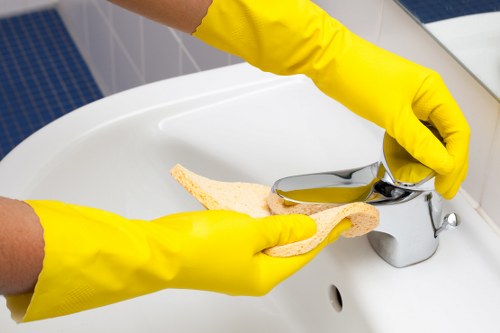
A strong house cleaning routine does not have to be complicated. The best system is one that matches your household size, schedule, and priorities. Some homes need daily attention because of heavy traffic, while others may function well with weekly cleaning and occasional deep cleaning. The goal is consistency, not perfection.
One useful method is to divide tasks by frequency. Daily tasks may include wiping counters, loading the dishwasher, sweeping high-traffic areas, and putting items back in their place. Weekly tasks may include vacuuming, mopping, dusting, cleaning bathrooms, and changing bedding. Monthly or seasonal tasks may include washing windows, deep-cleaning appliances, and organizing storage spaces.
To keep house cleaning manageable, break larger jobs into smaller pieces. Instead of spending an entire day trying to clean every room, assign one or two priorities per session. This approach reduces burnout and helps keep your home in steady shape. A realistic routine is easier to maintain than an ambitious one that gets abandoned after a few weeks.
Simple Routine Ideas
- Spend 10 to 15 minutes tidying each evening.
- Focus on one room per day for deeper upkeep.
- Use a checklist to track recurring house cleaning tasks.
- Set reminders for monthly and seasonal projects.
Essential Areas to Prioritize During House Cleaning

Every home has areas that need more frequent attention than others. Kitchens and bathrooms usually top the list because they collect moisture, grease, and germs quickly. Bedrooms, living rooms, hallways, and entryways also require regular care, especially in homes with active foot traffic or children. Understanding which spaces need the most attention helps make house cleaning more efficient.
In the kitchen, focus on countertops, sinks, stovetops, cabinet handles, and appliances. Food spills and splashes can create sticky buildup if ignored. In bathrooms, pay attention to toilets, sinks, mirrors, showers, tubs, and floors. These spaces benefit from sanitizing products and routine scrubbing to maintain freshness.
Living areas often need dusting, vacuuming, and decluttering. Bedrooms should feel restful, so clean bedding, fresh floors, and dust-free surfaces matter. Even small improvements in these spaces can make the whole home feel more comfortable. Entryways, meanwhile, should be kept clear because they collect dirt from shoes and outdoor activity.
Key House Cleaning Zones
- Kitchen: grease, crumbs, and food residues
- Bathroom: soap scum, moisture, and germs
- Bedrooms: dust, lint, and bedding refreshment
- Living spaces: clutter, dust, and high-touch surfaces
- Entryways: mud, debris, and daily wear
Tools and Supplies That Make House Cleaning Easier
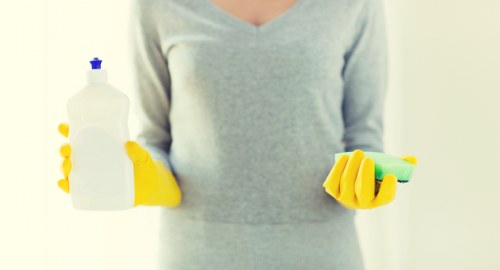
Having the right supplies can simplify house cleaning significantly. Basic tools like microfiber cloths, a vacuum cleaner, a mop, a scrub brush, sponges, gloves, and a reliable all-purpose cleaner can cover most everyday tasks. For more specialized work, you may also need glass cleaner, disinfectant, bathroom cleaner, and products designed for wood, stone, or stainless steel.
Quality tools matter because they save time and improve results. Microfiber cloths are especially useful because they trap dust and grime more effectively than many standard rags. A vacuum with strong suction and useful attachments can help with carpets, corners, baseboards, and upholstery. A lightweight mop can make hard floors easier to maintain, while a caddy or basket helps keep supplies organized.
Good organization is part of smart house cleaning. When supplies are stored in one accessible spot, cleaning becomes easier to start and easier to finish. Many people find that a simple cleaning kit kept under the sink or in a closet makes the entire process less stressful. You are more likely to clean regularly when everything you need is within reach.
Helpful Supply Checklist
- Microfiber cloths
- Vacuum cleaner
- Mop and bucket
- Scrub brush or sponge set
- All-purpose cleaner
- Disinfectant and glass cleaner
Deep Cleaning vs. Regular House Cleaning
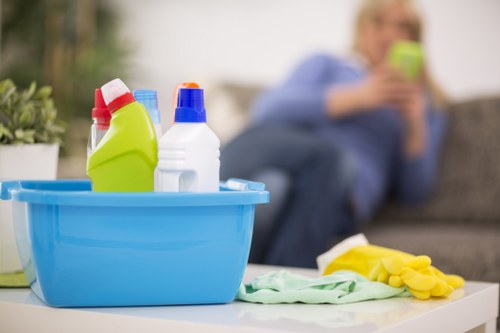
Regular house cleaning and deep cleaning serve different purposes. Regular cleaning keeps your home presentable and prevents buildup from getting out of hand. It includes everyday tasks like wiping, sweeping, dusting, and tidying. Deep cleaning is more detailed and targets areas that are often missed during routine maintenance, such as behind appliances, under furniture, inside cabinets, and along grout lines.
Deep cleaning is usually done less often, but it is essential for long-term upkeep. It can refresh a home after a busy season, before special events, or when a space starts to feel dull and neglected. Some homeowners schedule deep cleaning every few months, while others prefer seasonal sessions. Either way, this type of house cleaning helps restore a fresh, polished feeling.
The difference between the two is important because it helps set realistic expectations. Regular cleaning keeps your home functional, while deep cleaning improves detail and longevity. When both are part of your plan, house cleaning becomes far more effective.
Examples of Deep Cleaning Tasks
- Scrubbing tile grout
- Cleaning inside ovens and refrigerators
- Washing baseboards and trim
- Vacuuming under furniture
- Cleaning vents, fans, and light fixtures
- Refreshing upholstery and mattresses
Room-by-Room House Cleaning Strategies
A room-by-room method can make house cleaning feel more structured. Instead of jumping from one task to another, you focus on the unique needs of each space. This not only improves efficiency but also ensures that important areas are not overlooked. A room-specific approach works well for both daily upkeep and deep cleaning sessions.
Kitchen cleaning usually begins with removing dishes, wiping surfaces, and clearing crumbs. After that, clean the sink, stovetop, appliance fronts, and floors. Pay attention to cabinet handles and switches, which are touched frequently. A fresh kitchen makes cooking and meal prep much more pleasant.
Bathroom cleaning should include sinks, toilets, mirrors, tubs, showers, and floors. Use products that cut through soap scum and disinfect frequently touched areas. Keep towels, rugs, and accessories clean as part of the overall process. Bathrooms benefit from consistency because moisture can lead to buildup quickly.
Living Room and Bedroom Focus
- Dust shelves, electronics, and decor
- Vacuum carpets and rugs thoroughly
- Fluff cushions and straighten soft furnishings
- Change bedding and wash linens regularly
- Clear clutter from tables and corners
For hallways and entry spaces, sweep or vacuum often, since dirt tends to collect there first. These areas create the first impression of your home, so keeping them neat adds to the overall sense of order.
Eco-Friendly House Cleaning Choices
Many homeowners today prefer cleaning methods that are safer for families, pets, and the environment. Eco-friendly house cleaning often involves using fewer harsh chemicals and choosing products with simpler ingredient lists. Vinegar, baking soda, and microfiber cloths can handle many everyday jobs, though it is still important to use the right solution for each surface.
Green cleaning can be both effective and practical. A natural approach often works well for dusting, deodorizing, and removing light grime. However, not every surface should be cleaned the same way, so always test products carefully and follow manufacturer instructions. Eco-friendly house cleaning is most successful when it is both safe and sensible.
Another benefit of eco-friendly cleaning is that it can reduce strong odors in the home. Some people are sensitive to heavy fragrances and fumes, so gentler products may feel more comfortable. This can be especially useful in bedrooms, nurseries, and shared living spaces where air quality matters.
Ways to Clean More Sustainably
- Choose reusable cloths instead of disposable wipes when possible
- Buy concentrated cleaners to reduce packaging waste
- Use multi-surface products to simplify your routine
- Ventilate rooms while cleaning to improve airflow
How House Cleaning Supports Better Home Organization
House cleaning and home organization often go hand in hand. A cluttered room is harder to clean, and a clean room is easier to keep organized. When every item has a place, it becomes easier to wipe surfaces, vacuum floors, and maintain order. This is why many people find that cleaning and organizing together leads to better long-term results.
Start by removing items that no longer belong in a room. Sort mail, toys, clothes, books, and miscellaneous objects into proper storage zones. Once surfaces are clearer, the room will be easier to maintain. Organization creates the foundation for faster and more effective house cleaning.
Storage solutions can also support your routine. Baskets, bins, drawer organizers, shelf dividers, and labeled containers help reduce mess before it starts. While organization may seem separate from cleaning, it often determines how easy cleaning feels from day to day.
Organization Habits That Help
- Return items to their place after each use.
- Use baskets for quick clutter collection.
- Keep surfaces as clear as possible.
- Donate or discard items you no longer need.
Seasonal House Cleaning for a Fresher Home
Seasonal house cleaning adds another layer of care to your routine. As the weather changes, your home may need different kinds of attention. Spring cleaning often focuses on refreshing spaces after winter, while fall cleaning may prepare a home for more indoor activity. Seasonal tasks help reset your environment and prevent hidden buildup from becoming a larger problem.
During spring, many people wash windows, deep-clean rugs, reorganize closets, and dust often-neglected areas. During summer, emphasis may shift to managing dirt tracked in from outside, keeping fans clean, and staying on top of humidity-related issues. In autumn and winter, households may focus on heating vents, entryway dirt, and cozy living areas that see more daily use.
Seasonal house cleaning can reveal problems early. You may notice leaks, dust buildup, worn seals, or neglected corners before they cause bigger issues. This makes seasonal maintenance useful not only for appearance but also for home care.
Seasonal Tasks to Consider
- Wash interior and exterior windows
- Rotate and vacuum mattresses
- Deep-clean carpets and rugs
- Inspect vents and filters
- Organize storage areas and closets
When to Consider Professional House Cleaning
There are times when professional house cleaning can be a practical choice. Busy schedules, physical limitations, large properties, post-event cleanup, and major life changes can make routine cleaning difficult to manage alone. Professional support can help restore order quickly and reduce stress when you need extra assistance.
Many homeowners also use professional services for deep cleaning or recurring maintenance. This can be useful if you want to supplement your own efforts or focus on high-priority spaces while leaving more detailed tasks to trained cleaners. Professional house cleaning can save time while delivering consistent results.
Choosing outside help does not mean you are failing to manage your home. It simply means you are selecting a solution that fits your current needs. For many people, a combination of self-managed tidying and scheduled cleaning support offers the best balance.
Situations Where Professional Help Makes Sense
- Before or after hosting guests
- During busy work or family periods
- After renovations or moving
- When deep cleaning is overdue
- If household needs are physically demanding
Tips for Making House Cleaning Faster and More Effective
Efficiency matters when it comes to house cleaning. The more streamlined your process, the easier it is to stay consistent. One useful tip is to clean from top to bottom so dust and debris fall to lower surfaces before you vacuum or mop. Another is to clean from the farthest point in a room toward the exit, which helps avoid redoing work.
It is also wise to work with a timer. Short, focused cleaning sessions can be surprisingly productive and less tiring than long, unstructured efforts. Many people find that music, podcasts, or a checklist make the process more enjoyable. House cleaning feels lighter when you build a rhythm around it.
Speed should never replace quality. The goal is not to rush through every task, but to create a method that keeps your home steadily clean without creating extra stress. Repetition and routine are often more effective than occasional long cleaning marathons.
Practical Time-Saving Ideas
- Keep supplies in the rooms where you use them.
- Wipe spills immediately before they harden.
- Do a quick reset each night before bed.
- Combine cleaning tasks with daily habits.
Creating a Home That Feels Clean Every Day
A truly comfortable home does not require constant perfection. Instead, it benefits from thoughtful habits that make cleanliness part of the routine. When you keep up with small tasks, house cleaning becomes less intimidating and more rewarding. Clean counters, fresh floors, and organized rooms can improve how you feel each time you walk through the door.
The best approach is the one that works for your lifestyle. Some homes thrive with detailed schedules, while others do better with simple daily habits and occasional deeper sessions. No matter the method, the key is to stay consistent and focus on the areas that matter most. House cleaning is ultimately about creating a home that supports your well-being.
If you want a cleaner, calmer, and more organized living space, start small and build from there. With the right tools, habits, and mindset, you can maintain a home that feels fresh without being overwhelmed by the process. Take the next step today and make house cleaning part of your home care routine.
Contact us today to explore cleaning support options that fit your household needs, or book your service now to enjoy a cleaner home with less effort.