End of Tenancy Cleaning in: A Practical, Professional Approach for Stress-Free Move-Outs
Moving out of a rented property can feel overwhelming, especially when you need to leave the place spotless and ready for inspection. That is where end of tenancy cleaning in becomes essential. Whether you are a tenant hoping to protect your deposit, a landlord preparing for new occupants, or a letting agent managing property turnover, a thorough end of tenancy cleaning service can make the process smoother, faster, and far less stressful.
In many rental agreements, cleanliness at the end of a lease is not optional. It is expected that the property will be returned in the same condition as when you moved in, allowing for fair wear and tear. A professional move out cleaning service helps ensure that kitchens, bathrooms, floors, carpets, appliances, and hidden corners are cleaned to a high standard. This not only supports a successful inventory check but also helps create a positive handover experience for everyone involved.
If you are searching for reliable end of tenancy cleaning in services, it helps to understand what the job includes, why it matters, and how to prepare. In this article, we will break down the most important aspects of tenancy cleaning, from deposit protection to the specific tasks that often determine whether a property passes inspection. Cleanliness matters, detail matters, and timing matters when a tenancy is ending.
Why End of Tenancy Cleaning Matters

End of tenancy cleaning in is more than a routine tidy-up. It is a detailed deep-clean designed to restore the property to a presentable and hygienic condition. The main reason it matters is simple: tenancy agreements often require tenants to leave the home clean enough for the next occupant or for the landlord’s inspection. Failing to do so may result in deductions from the security deposit.
For tenants, a professional end of tenancy cleaning can reduce stress during an already busy moving period. Instead of trying to juggle packing, removals, utilities, and paperwork, you can hand over the cleaning to experts who know what property managers expect. For landlords and letting agents, it helps speed up the turnaround time between tenancies and improves the overall presentation of the property.
Another major benefit of move out cleaning is hygiene. Over time, dust, grease, limescale, and bacteria build up in bathrooms, kitchens, and other high-use areas. A deep clean removes hidden grime that regular cleaning may miss. That is especially important in rented homes where surfaces, appliances, and fittings must look fresh for viewing, inspection, and reoccupation.
What Is Included in End of Tenancy Cleaning?

The exact checklist for end of tenancy cleaning in can vary depending on the property, the size of the home, and the landlord’s expectations. However, a proper service usually covers every room from top to bottom. The goal is to leave no obvious dirt, stains, or neglected areas behind. This is why a professional deep clean goes far beyond everyday housekeeping.
Typical tasks in end of tenancy cleaning include dusting high and low surfaces, wiping skirting boards, cleaning light switches, washing interior windows, sanitising bathrooms, degreasing kitchen units, vacuuming carpets, and mopping hard floors. In many cases, additional attention is given to ovens, hobs, extractor fans, fridges, freezers, and other appliances that are often checked closely during move-out inspections.
Depending on the property, move out cleaning may also include inside cabinets, doors, handles, radiators, mirrors, tiles, and hard-to-reach corners. A detailed checklist ensures nothing is forgotten. Many professional cleaners follow inventory-style standards, which helps them clean in the same way a landlord or letting agent will inspect the home.
Common Areas Covered
The following areas are usually included in a typical end of tenancy cleaning package:
- Kitchen: oven, hob, splashback, cupboards, sink, counters, floors, and appliance exteriors
- Bathroom: toilet, bath, shower, sink, taps, tiles, mirrors, grout, and limescale removal
- Bedrooms: dusting, vacuuming, wardrobes, skirting boards, and window cleaning
- Living areas: upholstery dusting, floors, shelves, and touchpoint sanitising
- Hallways: floors, doors, switches, and decorative fixtures
How End of Tenancy Cleaning Helps Protect Your Deposit
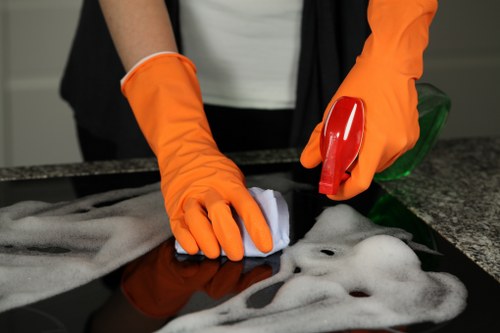
One of the biggest reasons tenants invest in end of tenancy cleaning in is to improve the chances of receiving their deposit back in full. Deposit disputes commonly arise when the property is left with grease on the oven, mould in the bathroom, carpet stains, or dust in overlooked areas. Even if the place looks tidy at first glance, landlords and agents often inspect with a more detailed eye.
A professional end of tenancy cleaning service reduces the likelihood of deposit deductions by addressing the issues that typically lead to complaints. Cleaners focus on residue, build-up, and neglected surfaces that can be missed during a quick clean. This matters because agents often compare the property condition against the original inventory report.
There is also a psychological benefit. When a tenant knows the home has been cleaned thoroughly, it creates confidence during checkout. Instead of worrying about whether the oven is greasy enough to trigger a charge or whether the bathroom grout will raise concerns, you can feel more prepared for the final inspection. Move out cleaning is therefore an investment in peace of mind as much as in cleanliness.
What Inspectors Usually Look For
During a tenancy checkout, inspectors often focus on the following:
- Kitchen appliances and grease removal
- Bathroom sanitation and limescale control
- Dust on furniture, skirting boards, and fittings
- Floor condition, stains, and vacuuming quality
- Window clarity and frame cleanliness
- General odour, freshness, and presentation
Why Professional Cleaning Often Outperforms DIY Efforts

Many tenants begin with the idea that they can handle end of tenancy cleaning in on their own. While that is possible, it often becomes much more time-consuming than expected. Standard household products may not be enough to remove ingrained grime, and move-out deadlines can make the task feel rushed. A professional team brings the right tools, techniques, and cleaning agents to deliver a deeper result in less time.
Professional end of tenancy cleaning also offers consistency. When cleaning is done by a trained team, the process is usually systematic, with each room following a structured checklist. That means fewer missed spots and fewer chances of a failed inspection. This consistency is especially helpful when the property has been lived in for a long time or contains difficult surfaces such as stone, chrome, tile grout, or carpeted areas.
Another advantage of move out cleaning professionals is efficiency. What might take a tenant an entire weekend—or longer—can often be completed faster by a dedicated team. This is useful when keys need to be returned by a specific deadline or when you need to coordinate cleaning with removals and final meter readings. Time saved can make the whole moving process easier.
Situations Where Professionals Are Especially Useful
Hiring experts for end of tenancy cleaning can be particularly helpful if:
- The property has multiple bathrooms or a large kitchen
- There are persistent stains, limescale, or grease build-up
- You are short on time before the checkout inspection
- Carpets need deep vacuuming or spot treatment
- The tenancy contract requires a high cleaning standard
Preparing for End of Tenancy Cleaning
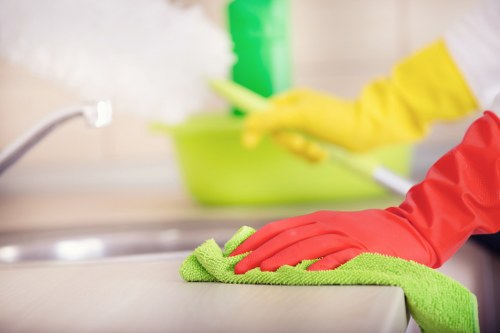
To get the best results from end of tenancy cleaning in, preparation matters. Even the best cleaners work more efficiently when the space is ready for them. Start by removing personal belongings, packed boxes, and loose items from cupboards, shelves, and drawers. This gives access to hidden areas that usually collect dust and crumbs.
It is also smart to defrost the freezer in advance, if possible, and make sure all appliances are empty. This allows the end of tenancy cleaning team to clean inside the fridge, freezer, oven, and cupboards without delay. If you have any special requests, such as areas requiring extra attention, communicate them clearly before the service begins.
For tenants, one of the most practical ways to prepare for move out cleaning is to repair small issues first. Replace lightbulbs, tighten loose handles if necessary, and remove any rubbish before the cleaners arrive. A clear, accessible space helps the team work thoroughly and can improve the overall finish. Preparation is not about doing the cleaning twice—it is about making the cleaning more effective.
Helpful Pre-Clean Checklist
- Pack and remove all personal items
- Take out all rubbish and recycling
- Defrost freezer if needed
- Unplug and empty appliances
- Report any property damage that is not cleaning-related
- Arrange access for the cleaning team
Key Rooms That Need Extra Attention
Although every room matters, some areas require extra care during end of tenancy cleaning in. Kitchens and bathrooms are usually the most demanding because they collect the most visible dirt and bacteria. These spaces are also heavily inspected by landlords and agents, making them critical to a successful checkout.
In the kitchen, grease from cooking can build up on extractor fans, cabinets, hobs, and tiled surfaces. The oven is often the most challenging item to clean, and many tenants underestimate how much time it takes to restore. A proper end of tenancy cleaning service will focus on breaking down grease, removing burned residue, and leaving appliances looking presentable.
Bathrooms are another key area. Limescale, soap scum, watermarks, and mould can quickly affect the appearance of sinks, taps, showers, and toilets. Professional move out cleaning tackles these issues with targeted products and techniques designed to improve shine and hygiene.
Bedrooms and Living Areas
Bedrooms and living rooms may seem simpler, but they still matter. Dust settles on wardrobes, shelves, blinds, light fixtures, and skirting boards. Carpets and floors can trap dirt, pet hair, and debris. A thorough end of tenancy cleaning routine includes vacuuming, dusting, and polishing to make these rooms feel fresh and well maintained.
High-Impact Details That Are Easy to Miss
Some of the most commonly overlooked areas in tenancy cleaning include:
- Behind and under furniture
- Top edges of doors and frames
- Light fittings and switch plates
- Inside cupboards and drawers
- Window tracks and sills
- Radiators and vents
End of Tenancy Cleaning for Different Property Types
End of tenancy cleaning in is not a one-size-fits-all service. The requirements for a studio flat are very different from those of a family house, shared accommodation, or a furnished property. Understanding the type of home you are leaving helps determine the scale of the work and the time needed to complete it properly.
For smaller properties, end of tenancy cleaning may focus on compact but heavily used spaces. Studios often need careful attention because cooking, sleeping, and living areas are all within a single zone. That means dust, odours, and food residue can spread more easily. In larger homes, multiple bathrooms, staircases, and additional rooms require extra planning and a more structured approach.
Furnished properties can also take longer to clean because items such as sofas, tables, mattresses, and wardrobes need to be dusted and wiped. In contrast, unfurnished homes may require less furniture cleaning but more attention to surfaces, walls, and flooring. Either way, move out cleaning should be adapted to the property layout and condition.
Shared Homes and HMOs
Shared properties and Houses in Multiple Occupation often present unique challenges. Different tenants may have used different rooms differently, and cleaning standards may have varied over time. In these cases, end of tenancy cleaning may need to be more detailed, especially in shared kitchens and bathrooms where build-up can be more noticeable.
Because of the varied usage patterns in shared housing, professional cleaners often need to focus on consistency. Each room should look equally clean so that the entire property feels ready for the next occupants. This level of detail can be difficult to achieve without an organised service.
How to Choose the Right End of Tenancy Cleaning Service
When selecting a provider for end of tenancy cleaning in, it helps to look for experience, structure, and a clear checklist. Not all cleaning services are the same, and move-out jobs demand more than ordinary domestic cleaning. A reputable team should understand tenancy expectations and be prepared to handle deep cleaning tasks that standard services might not cover.
Look for a provider that offers a room-by-room checklist and explains what is included. This makes it easier to compare options and avoid surprises later. A reliable end of tenancy cleaning service should also be transparent about what can be cleaned, what may require specialist treatment, and how long the job is expected to take.
It is equally important to check whether the team uses professional products and equipment suitable for different surfaces. Some homes have delicate flooring, treated wood, or sensitive fittings that need careful handling. A good move out cleaning service understands how to clean effectively without causing damage.
Questions to Ask Before Booking
- What is included in the service?
- Do you work from a tenancy cleaning checklist?
- Can you handle ovens, bathrooms, carpets, and appliances?
- How long will the cleaning take?
- What happens if an area needs extra attention?
When Is the Best Time to Book?
Timing is an important part of end of tenancy cleaning in. Ideally, the service should be booked close enough to the final inspection that the property stays clean, but not so late that you risk missing the checkout deadline. Many tenants choose to book after most belongings have been removed but before the keys are handed back.
For best results, schedule end of tenancy cleaning after the home is empty. This allows the team to access all corners, shelves, wardrobes, and floors without obstacles. It also means surfaces are not immediately dirtied by ongoing packing. If removal teams are involved, try to coordinate the cleaning after the main move is complete.
Landlords and letting agents also benefit from timing the service strategically. A well-timed move out cleaning appointment can help reduce vacancy periods and make the property ready for marketing photos, viewings, or new tenancies. This is especially useful in busy rental markets where quick turnaround matters.
Best Practices for Scheduling
- Book early if you are moving during a busy season
- Allow enough time for deep cleaning tasks
- Coordinate with removals and checkout appointments
- Make sure utilities are still connected if needed
- Leave a buffer in case the inspection is moved
Final Thoughts on End of Tenancy Cleaning in
Moving out is often a busy and emotional process, but a proper end of tenancy cleaning in service can make one major part of it much easier. By cleaning thoroughly, you improve the presentation of the property, reduce the risk of deposit deductions, and create a smoother handover for everyone involved. Whether the home is small or large, furnished or unfurnished, regular or heavily used, the right cleaning approach makes a clear difference.
From kitchens and bathrooms to floors, windows, and hidden details, end of tenancy cleaning is about more than surface-level tidying. It is a practical step that supports property standards, inspection success, and tenant peace of mind. For landlords and letting agents, it helps maintain a professional reputation and reduces delays between occupancies. For tenants, it can be the difference between a stressful exit and a clean, confident move.
If you want a better chance of a smooth inspection and a spotless handover, do not leave the cleaning to chance. Book your service now and make your move-out process simpler, cleaner, and more efficient. If you are planning a tenancy change soon, contact us today to arrange reliable end of tenancy cleaning that meets the standards your property deserves.