Office Cleaning in Modern Workspaces: A Practical Approach to Healthier, Brighter, and More Productive Environments
Office cleaning plays a bigger role in day-to-day business success than many people realize. A clean workplace does more than improve appearance; it supports employee wellbeing, makes a stronger first impression on visitors, and helps maintain a professional environment that people trust. Whether a business operates from a small shared suite or a large corporate campus, office cleaning is one of the most valuable investments in workplace quality.
Today’s businesses need cleaning solutions that are efficient, flexible, and tailored to the realities of busy work environments. Desk areas, meeting rooms, kitchens, restrooms, entryways, and shared equipment all collect dust, germs, and clutter at different rates. That means office cleaning should never be treated as a one-size-fits-all task. It requires a structured approach, consistent standards, and the right attention to detail.
For companies focused on productivity, reputation, and employee satisfaction, office cleaning also supports long-term performance. Clean surfaces, fresh air, and organized spaces can reduce distractions, lower the spread of illness, and create a more comfortable atmosphere. In other words, the right office cleaning strategy can influence both morale and business outcomes.
Why Office Cleaning Matters for Every Business
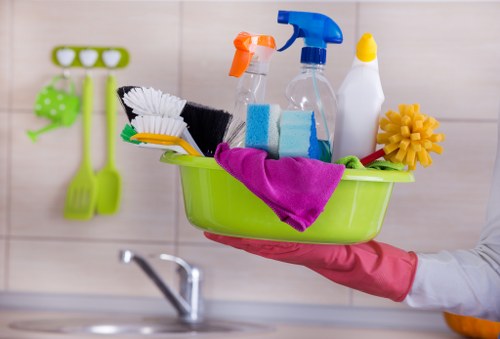
Office cleaning is closely connected to workplace perception. When clients, customers, or partners walk into a tidy office, they immediately notice the difference. A polished reception area, clean floors, and well-kept restrooms signal that the company values quality and professionalism. This first impression can shape trust before any conversation even begins.
Beyond appearances, office cleaning also affects the health of employees. Workspaces naturally gather dust, bacteria, and allergens from shoes, air circulation, keyboards, phones, and other high-touch surfaces. Without consistent cleaning, these contaminants can build up and contribute to discomfort, sick days, and lower concentration.
Regular office cleaning helps businesses maintain safer and more pleasant surroundings. It also protects the lifespan of furniture, flooring, and fixtures by reducing wear caused by dirt and buildup. Over time, consistent cleaning can save money by preserving assets and preventing the need for frequent replacements.
Core Areas That Need Attention in Office Cleaning
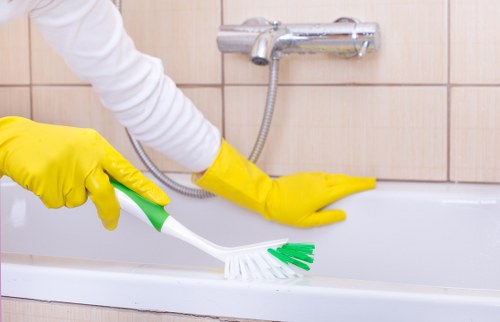
Effective office cleaning starts with understanding which areas need the most consistent care. Some spaces are visible to visitors, while others are behind the scenes but equally important. Each area contributes to the overall cleanliness and functionality of the workplace.
High-traffic areas often require the most frequent attention. These include lobbies, hallways, elevators, reception counters, and shared walkways. Because many people pass through these areas each day, dirt and debris accumulate quickly. Office cleaning in these spaces should include sweeping, vacuuming, mopping, wiping surfaces, and spot-cleaning marks.
Workstations and desks are another major focus. Even in mostly paperless offices, dust, crumbs, fingerprints, and clutter can gather around monitors, keyboards, chairs, and drawers. A thorough office cleaning routine should address these areas carefully while respecting privacy and avoiding disruption to staff.
Areas that should never be overlooked
- Restrooms and wash areas
- Break rooms and kitchens
- Meeting rooms and conference tables
- Reception and waiting areas
- Door handles, light switches, and shared devices
These spaces often need more frequent sanitizing because they are used by multiple people throughout the day. A well-planned office cleaning service prioritizes both visible cleanliness and hidden hygiene concerns.
The Health Benefits of Professional Office Cleaning

One of the strongest reasons businesses invest in office cleaning is the positive impact on health. Offices can become breeding grounds for germs if high-touch items are not cleaned regularly. Shared keyboards, conference tables, telephones, coffee machines, and restroom fixtures all require routine attention.
Professional office cleaning helps reduce the spread of bacteria and viruses by using proper disinfecting methods. This is especially important during flu season, allergy season, or any period when workplace illness is a concern. Clean environments can support fewer absences and help teams stay focused on their work.
Cleaner air and fewer allergens are also important benefits. Dust, pollen, mold spores, and other irritants can collect in carpets, vents, and upholstery. Office cleaning that includes vacuuming, dusting, and air-friendly maintenance can help improve indoor comfort for staff and visitors alike.
How cleanliness supports employee wellbeing
Employees often feel more valued in a clean and organized space. It becomes easier to concentrate, collaborate, and remain motivated. When work areas are clutter-free, staff spend less time dealing with distractions and more time being productive.
Healthy workspaces are not just nicer to look at; they create better conditions for daily performance. That is why office cleaning should be viewed as a business support function, not just a routine chore.
What a Quality Office Cleaning Routine Includes
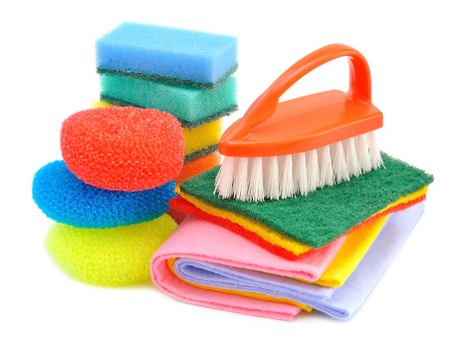
A dependable office cleaning routine involves more than emptying trash bins and vacuuming floors. The best plans cover detailed tasks that maintain both cleanliness and presentation. A structured approach ensures nothing important is missed, even in busy office environments.
Daily tasks often include removing waste, sanitizing shared surfaces, cleaning restrooms, wiping down kitchen counters, and making sure common areas remain tidy. Weekly or periodic tasks may involve deeper dusting, upholstery care, floor treatment, and polishing glass or metal surfaces. Office cleaning should also adapt to seasonal needs and special events.
Typical office cleaning tasks may include
- Dusting desks, shelves, ledges, and fixtures
- Vacuuming carpets and cleaning hard floors
- Sanitizing high-touch points
- Emptying bins and replacing liners
- Cleaning and restocking restrooms
- Maintaining kitchen and break room hygiene
- Spot-cleaning walls, doors, and glass surfaces
Consistency is essential. A well-executed office cleaning routine reduces buildup before it becomes visible or problematic. It also helps maintain a standard of cleanliness that employees quickly come to expect and appreciate.
Customized cleaning makes a difference
Every office has different traffic patterns, layout challenges, and hygiene priorities. Open-plan offices may need frequent dust management, while law firms or consulting spaces may require more attention to client-facing rooms. Tailored office cleaning provides the flexibility to address those differences effectively.
Office Cleaning and Workplace Productivity
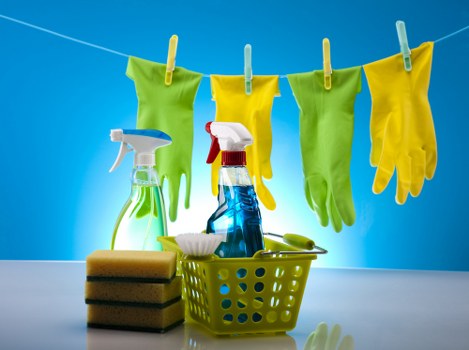
There is a strong connection between office cleaning and productivity. Cluttered, dirty, or disorganized spaces can make people feel mentally overloaded. By contrast, a clean office promotes clarity, focus, and a sense of control. These small psychological advantages can make a noticeable difference across a workday.
When employees do not have to worry about dusty desks, overflowing trash, or dirty common areas, they can focus more fully on core tasks. Meetings also tend to run more smoothly in clean conference rooms where materials are organized and surfaces are presentable. Office cleaning helps support a more disciplined and efficient workplace culture.
Businesses that invest in regular office cleaning often notice improved morale as well. Staff members are more likely to respect shared spaces when those spaces are already clean and maintained. This creates a positive cycle in which cleanliness and responsibility reinforce each other.
The link between order and performance
- Fewer distractions during the workday
- Improved comfort in shared environments
- Better collaboration in meeting spaces
- Stronger focus in individual work areas
A clean office supports a clear mind. That simple idea explains why office cleaning is relevant to performance at every level of the organization.
Choosing the Right Office Cleaning Approach
Businesses can manage office cleaning in different ways depending on their size, budget, and operational needs. Some smaller offices assign light cleaning duties internally, while others rely on professional cleaners for daily or weekly service. Each model has benefits, but the key is reliability and consistency.
Professional office cleaning is especially useful for businesses that need specialized equipment, reliable scheduling, or deeper cleaning methods. Experienced cleaners understand how to work efficiently around staff, visitors, and sensitive equipment. They also bring industry knowledge that supports better hygiene outcomes and a more polished final result.
When selecting an office cleaning provider or setting up an internal routine, it helps to consider the specific demands of the building. Carpeted floors, shared kitchens, multiple restrooms, reception areas, and conference rooms all influence the scope of work. The right office cleaning plan should reflect those realities instead of using a generic checklist.
Questions to ask before setting a cleaning plan
- How many people use the office each day?
- Which areas receive the most traffic?
- Are there sensitive spaces that need extra care?
- How often do restrooms and kitchens require sanitizing?
- Are there floors, carpets, or fabrics that need specialized treatment?
Answering these questions helps shape a cleaning plan that is practical, efficient, and effective. Good office cleaning should fit the workplace, not disrupt it.
Green Office Cleaning and Sustainable Practices
Many businesses are now looking for environmentally responsible office cleaning options. Green cleaning methods use products and techniques designed to reduce harsh chemical exposure while still delivering strong results. This approach can be beneficial for indoor air quality, employee comfort, and broader sustainability goals.
Eco-friendly office cleaning often includes microfiber cloths, low-toxicity products, refillable dispensers, and reduced water waste. These methods help lower the environmental footprint of routine maintenance without sacrificing standards. In many offices, sustainable cleaning has become a natural extension of responsible business practices.
Sustainability can also support brand image. Companies that choose greener office cleaning methods may appeal to clients and employees who value environmental responsibility. Over time, those choices can strengthen trust and align with corporate values.
Examples of greener cleaning habits
- Using concentrated cleaning products responsibly
- Choosing reusable tools where possible
- Reducing single-use waste in break areas
- Improving recycling practices across the workplace
- Scheduling cleaning efficiently to limit energy use
Office cleaning does not have to be resource-heavy to be effective. With the right systems, businesses can maintain excellent standards while making smarter environmental choices.
How Office Cleaning Supports Brand Reputation
Brand reputation is shaped by many small details, and cleanliness is one of the most visible. A spotless office tells visitors that the business pays attention to detail and takes its responsibilities seriously. On the other hand, dusty shelves, stained carpets, and messy common rooms can create doubt about the company’s standards.
Office cleaning is especially important in client-facing industries such as law, finance, consulting, healthcare administration, real estate, and customer service. In these settings, the environment often reflects the brand. Clean, organized, and fresh-smelling spaces strengthen confidence in the business.
Reputation is built in everyday moments. The condition of the office can influence how staff, clients, and partners talk about the company long after a meeting ends. Investing in office cleaning is therefore a practical way to protect and enhance a business image.
Small details that shape perception
- Polished reception desks
- Fresh restrooms
- Clean windows and glass partitions
- Odor-free break rooms
- Dust-free meeting areas
These details may seem minor, but together they create a stronger overall impression. That is why office cleaning is often considered part of brand presentation, not just facility maintenance.
Creating a Practical Office Cleaning Schedule
One of the best ways to maintain a consistently clean office is to build a practical schedule. Cleaning needs vary by frequency, location, and usage. Some tasks must happen every day, while others can be handled weekly, monthly, or quarterly.
An effective schedule helps prevent tasks from being forgotten and ensures that resources are used wisely. For example, restrooms and kitchens may need daily sanitizing, while air vents and deep carpet maintenance may be handled less often. A good office cleaning schedule balances routine upkeep with periodic deep cleaning.
Planning ahead saves time. It also helps staff know what to expect and reduces disruption during work hours. Offices that schedule cleaning thoughtfully often maintain higher standards with less stress.
Sample schedule framework
- Daily: bins, restrooms, floors, shared surfaces, kitchens
- Weekly: dusting, glass wiping, deeper vacuuming, furniture care
- Monthly: detailed cleaning of corners, vents, and neglected areas
- Quarterly: deep cleaning, floor treatment, upholstery refresh
A structured office cleaning schedule turns maintenance into a manageable routine. That reliability is one of the biggest advantages for busy workplaces.
Office Cleaning in the Post-Remote and Hybrid Workplace
As more companies adopt hybrid schedules, office cleaning needs are changing. Some work areas are used less often on certain days, while shared spaces may experience concentrated traffic when teams come in. This shift requires a more adaptive office cleaning strategy.
Hybrid workplaces often rely heavily on shared desks, meeting rooms, and collaborative zones. These spaces need targeted cleaning because multiple employees may use them within short periods. Office cleaning in such environments should prioritize sanitization, touchpoint maintenance, and flexible scheduling.
Modern offices need modern cleaning strategies. A routine built around fixed occupancy may no longer be enough. Instead, cleaning should respond to actual usage patterns so that the office stays fresh and functional regardless of attendance trends.
What hybrid offices should prioritize
- Shared desk sanitization
- Conference room turnover cleaning
- High-touch point disinfection
- Kitchen and coffee station hygiene
- Entryway cleaning during peak office days
With the right approach, office cleaning can support flexible work models without sacrificing hygiene or presentation.
Final Thoughts on Office Cleaning
Office cleaning is far more than a background task. It contributes to health, productivity, reputation, and the everyday experience of everyone who enters the workspace. A clean office helps create an atmosphere where people can work comfortably, meet confidently, and focus without unnecessary distraction.
Businesses that treat office cleaning as a priority often enjoy long-term benefits. Their spaces look better, feel better, and function more smoothly. Whether through an internal routine or a professional service, consistent office cleaning helps maintain standards that support the entire organization.
If your workplace deserves a cleaner, healthier, and more professional environment, now is the right time to act. Contact us today or book your service now to keep your office cleaning standards high and your workspace looking its best.