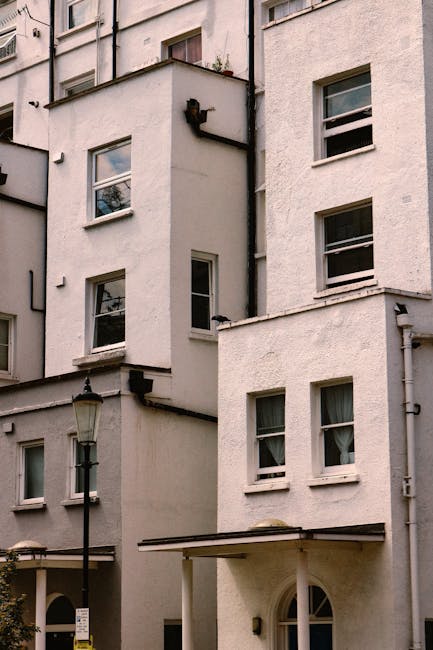
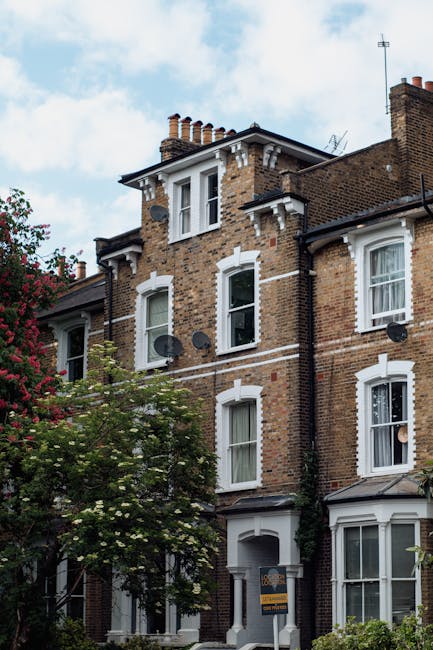
End of tenancy cleaning flats on Bedford Hill Balham
If you are moving out of a flat on Bedford Hill in Balham, the last thing you want is a messy handover, a tense conversation with the landlord, or a deposit deduction that feels entirely avoidable. End of tenancy cleaning flats on Bedford Hill Balham is about more than a quick tidy-up. It is the deep, detail-focused clean that helps the property present well at inspection and gives you the best chance of leaving on good terms.
In practice, that means tackling the bits people usually miss: behind appliances, inside cupboards, limescale on taps, greasy oven trays, dusty skirting boards, and those stubborn marks around light switches and door handles. A proper end of tenancy clean is systematic, not casual. And to be fair, flats in this part of South London often have their own quirks too - compact kitchens, older fittings, shared hallways, and that one window that never seems to open properly. This guide walks you through what matters, how the process works, what landlords usually expect, and how to avoid the most common mistakes.
For readers comparing services, it may also help to understand how end of tenancy work sits alongside professional end of tenancy cleaning, move out cleaning, and a broader deep cleaning service. They overlap, but they are not quite the same thing.
Table of Contents
- Why End of tenancy cleaning flats on Bedford Hill Balham Matters
- How End of tenancy cleaning flats on Bedford Hill Balham Works
- Key Benefits and Practical Advantages
- Who This Is For and When It Makes Sense
- Step-by-Step Guidance
- Expert Tips for Better Results
- Common Mistakes to Avoid
- Tools, Resources and Recommendations
- Law, Compliance, Standards, or Best Practice
- Options, Methods, or Comparison Table
- Case Study or Real-World Example
- Practical Checklist
- Conclusion
- Frequently Asked Questions
Why End of tenancy cleaning flats on Bedford Hill Balham Matters
End of tenancy cleaning matters because it sits right at the point where your home becomes someone else's property again. That change sounds simple, but it is where problems often start. A flat may look fine to a tenant living in it day to day, yet still fail a checkout inspection because dust has built up in corners, the oven has burnt-on residue, or bathroom grout has gone dull from repeated use.
On Bedford Hill, flats are often lived in by busy professionals, sharers, and tenants who come and go fairly quickly. That creates a common pattern: everyday cleaning happens, but a proper reset does not. The result is a property that feels lived in, but not ready. Landlords and letting agents usually want a consistent standard, and the better prepared the flat is, the smoother the handover tends to be.
There is also the practical side. Cleaning at the end of a tenancy is physically demanding when you are packing, dealing with removals, forwarding mail, and trying to return keys on time. No one really wants to be scrubbing a hob at 10pm after dismantling a wardrobe. Still, that is exactly what many people end up doing unless they plan ahead.
Expert summary: The best end of tenancy cleans are not about making a flat look nice for a few minutes. They are about restoring it to a fair, inspection-ready condition, room by room, with no obvious shortcuts.
That matters even more if your deposit is under review, if the flat has carpets, or if the tenancy agreement expects a professional clean. If you are unsure whether a one-off clean is enough, compare the scope carefully with one-off cleaning and domestic cleaning. The word "clean" gets used for a lot of different things, but the outcome expected at move-out is usually far stricter.
How End of tenancy cleaning flats on Bedford Hill Balham Works
A proper end of tenancy clean follows a methodical order. The point is not just to make things look better. It is to clean the property in a way that reaches the areas most likely to be checked at inventory or check-out.
Most services start with an initial assessment. For a flat, this usually means looking at room count, condition, access, flooring type, oven condition, bathroom scale, and whether extras such as carpet cleaning or upholstery work are needed. It is a bit more structured than a regular clean, which is why flat-specific knowledge helps.
From there, the clean normally moves top to bottom and dry to wet: cobwebs and dust first, then surfaces, then appliances, then kitchens and bathrooms, and finally floors. That sequence prevents re-soiling areas you have already finished. Sensible, really. No point polishing a sink and then knocking dust into it from a shelf above.
Typical tasks include:
- kitchen degreasing, including cupboards, splashbacks, worktops, and extractor areas
- oven cleaning and hob detailing
- bathroom descaling, toilet sanitation, and polish on taps and tiles
- vacuuming and mopping throughout
- cleaning internal windows, sills, and frames where accessible
- skirting boards, switches, sockets, and door handles
- wardrobes, shelves, drawers, and storage areas
- spot cleaning marks on walls where appropriate
Depending on the flat, the service may also include window cleaning, carpet cleaning, or oven cleaning as separate, more intensive tasks. In many homes, these are the difference between a decent clean and a proper handover clean.
Key Benefits and Practical Advantages
The first benefit is obvious: a stronger chance of passing the final inspection without avoidable deductions. Nobody can guarantee the outcome of a checkout, but a thorough clean removes one of the most common reasons for disputes.
The second benefit is time. Move-outs are usually hectic. If you are juggling removals, disconnection dates, work, and maybe one slightly overexcited friend who says they will help but arrives late, a professional clean can save hours of stress. Sometimes days, if the flat is larger or the oven has seen better times.
There is also the morale factor. Leaving a flat in good order feels better. You close the door knowing you did your bit. That sounds a little sentimental, maybe, but most people feel it. It is a clean break, quite literally.
Practical advantages often include:
- less last-minute rushing
- more predictable handover standards
- better presentation for inventory checks
- reduced need to return for touch-ups
- helpful support when the flat has stubborn kitchen or bathroom residue
If the property has been used heavily or rented for a long time, end of tenancy cleaning can also reveal maintenance issues early. That is useful. A scratched surface or damaged seal is easier to discuss when it is noticed before the checkout becomes formal and slightly awkward.
Who This Is For and When It Makes Sense
This service is for tenants moving out, landlords preparing a flat for re-let, and letting agents who want a property ready for viewing or inventory. On Bedford Hill, that can mean anything from a compact studio near transport links to a larger split-level flat that needs a more detailed reset.
It makes sense when:
- you are close to the end of the tenancy and the flat needs a full reset
- the inventory report was detailed and you expect the checkout to be detailed too
- the kitchen or bathroom has built-up grime that regular cleaning has not shifted
- you need to hand the flat back quickly and cannot do everything yourself
- the tenancy agreement mentions professional cleaning or condition standards
It is also sensible if you have already moved most belongings out and want the property cleaned around an emptier space. Empty flats are easier to clean properly. That said, a service can still be adapted if furniture remains in place for part of the job. It just takes more planning.
Landlords and agents may also find it useful to pair move-out work with move in cleaning for incoming tenants, especially where turnaround times are tight. The same flat, two different moments, two very different priorities.
Step-by-Step Guidance
If you want a cleaner result, start before the cleaners arrive. That sounds obvious, but it is where many people go wrong. A good end of tenancy clean works best when the flat is ready for deep access.
- Remove personal items first. Empty cupboards, drawers, the fridge, and wardrobes if they are included in the clean. Even small items get in the way.
- Defrost appliances in time. If the freezer needs attention, allow enough time for ice to melt safely. Otherwise, you end up with a puddle and a bit of panic. Not ideal.
- Flag problem areas. Tell the cleaner about burnt oven trays, limescale in the bathroom, carpet stains, or marks on walls. Specifics help.
- Check access. Make sure keys, parking arrangements, fobs, and entry instructions are sorted. A brilliant clean becomes less brilliant if the team is waiting at the front door.
- Prioritise heavy-use areas. Kitchen, bathroom, carpets, and high-touch points usually need the most care.
- Inspect before handover. Once the clean is complete, do a quick walk-through with natural light if possible. Morning light shows dust better than cosy evening lamps. Slightly annoying, but true.
- Photograph the result. Keep a few pictures in case there is any later confusion about condition.
For flats with more wear and tear, a combined approach may be helpful. For example, you might book sofa cleaning if the living room furniture is staying, or mattress cleaning where bedding hygiene is a concern before new occupants arrive. If the whole flat needs more than a standard refresh, a targeted deep cleaning service can complement the move-out clean nicely.
Expert Tips for Better Results
There are a few small things that make a surprisingly big difference.
First: clean from the top down. Dust falls. Water splashes. Logic wins here.
Second: do not leave the oven until the end of the day if it is heavily soiled. It takes longer than people think, and everything else starts to feel delayed around it.
Third: use the right tools for limescale and grease. A single cloth and enthusiasm are not enough, honestly. Bathrooms need descaling. Kitchens need degreasing. Different jobs, different approach.
Fourth: check small details. Skirting boards, extractor fans, plug sockets, handles, the track of sliding doors, the edge of the bath screen. These are the places that make a clean look either complete or a bit half-done.
Fifth: if carpets are tired, don't guess. A proper carpet cleaning can lift the overall impression of the flat quickly. You notice it the moment you walk in - the air feels fresher, the room looks sharper, and old traffic marks stop shouting for attention.
A small but useful tip: keep a "handover bag" for bin bags, spare cloths, batteries, keys, meter readings, and little bits that always seem to disappear at the worst time. It saves a panic later. Such a simple thing, yet it helps.
Common Mistakes to Avoid
Most end of tenancy headaches come from a few repeat mistakes.
- Leaving the clean too late. If you leave it for the moving day itself, you will be tired and rushed.
- Assuming a quick tidy is enough. It usually is not. A checkout clean is deeper than a weekend reset.
- Ignoring appliances. The oven, fridge, and washing machine are often inspected closely.
- Forgetting hidden areas. Behind radiators, under sinks, around extractor fans, and inside cupboards all matter.
- Using the wrong products. Harsh chemicals can damage surfaces, and not every stain needs brute force.
- Not checking the tenancy agreement. Some agreements set expectations about cleanliness and professional standards.
- Skipping carpets and upholstery. If the flat includes fabric items, they may need more than a vacuum.
The biggest mistake, though, is believing the flat "looks fine" from the doorway. That is usually not how inventory inspections work. Agents look at corners, edges, inside, and under. A little inconvenient, yes. But that is the game.
Tools, Resources and Recommendations
You do not need a mountain of equipment, but you do need the right kit. For a decent move-out clean, the basics usually include:
- microfibre cloths
- a vacuum cleaner with attachments
- mop and bucket
- non-abrasive sponges
- degreaser for kitchen surfaces
- bathroom descaler
- glass cleaner
- bin bags
- gloves
- a scraper for stubborn oven residue, if suitable for the surface
In some flats, especially if there has been long occupancy, extra services may be worth considering. Upholstery cleaning helps if chairs or soft furnishings have absorbed odours. Rug cleaning can revive living areas that have lost their colour under everyday foot traffic. And if you have a lot of smooth glass or high windows, window cleaning can make the whole place look brighter almost immediately.
If you are comparing service levels, a good place to start is the provider's pricing and quotes page, along with their policy information such as insurance and safety and terms and conditions. Those pages may not be the glamorous bit, but they matter more than people think.
Law, Compliance, Standards, or Best Practice
There is no single universal rule that says every move-out clean must be done in one fixed way. In the UK, the real-world standard is usually shaped by your tenancy agreement, the inventory report, and what is reasonable for the condition of the flat at the end of the tenancy.
Best practice is to leave the property in a condition consistent with the contract and the level of cleanliness expected for handover. That usually means:
- removing all personal belongings
- cleaning surfaces, fixtures, and appliances thoroughly
- returning the flat with no avoidable dirt or odour
- dealing with rubbish properly
- avoiding damage to floors, paintwork, or fittings during cleaning
It is also wise to work in line with safety expectations. For example, if ladders are needed for high areas, or if strong products are used in enclosed spaces, care is essential. Services that publish clear information about health and safety, privacy, and payment and security usually give a better sense of how professionally they operate.
Where recycling and waste separation are relevant, especially during a move, it also helps to think about responsible disposal. A flat clear-out can generate more rubbish than expected. For that reason, a supplier's recycling and sustainability approach may be a useful trust signal, even if it is not the main reason you book.
Options, Methods, or Comparison Table
People often ask whether they should clean the flat themselves, book a standard domestic clean, or arrange a full end of tenancy service. Here is the practical difference.
| Option | Best for | Strengths | Limitations |
|---|---|---|---|
| Self-cleaning | Smaller flats, light wear, very hands-on tenants | Lowest direct cost, full control | Time-consuming, easy to miss inspection details |
| Domestic cleaning | Routine upkeep and lighter refreshes | Good for everyday maintenance | May not cover deep move-out expectations |
| Deep cleaning | Flats needing a heavier reset | More thorough than routine cleaning | Still not always structured for checkout requirements |
| End of tenancy cleaning | Move-outs, handovers, deposit protection | Most aligned with inventory and landlord expectations | Usually the most detailed option, so it takes more planning |
If you are moving out of a well-kept flat, self-cleaning may genuinely be enough. If the flat has been lived in hard, or time is short, the dedicated move-out route is usually safer. There is no prize for doing it the hard way.
Case Study or Real-World Example
Imagine a two-bedroom flat on Bedford Hill with a compact kitchen, a bathroom that collects limescale around the taps, and a living room carpet that has seen a full year of rainy-day footprints. The tenants have already moved most furniture out, but the fridge still has a faint smell, the oven tray is dark with residue, and the skirting boards around the sofa area show dust lines that were never obvious until the room emptied.
In that situation, the clean usually works best in stages. First the kitchen is degreased and the appliances handled, then the bathroom is descaled, then the lounge and bedrooms are vacuumed and detailed, and finally the carpets are treated if needed. The flat looks much better at the end, but more importantly it feels properly reset. The air is different. Cleaner. Less lived-in, more ready.
The useful lesson here is simple: the state of a flat changes how a clean should be approached. A furnished flat with clutter behaves differently from an empty one. A flat with older fixtures needs gentler products. And if the oven has not been cleaned in months, no one should pretend otherwise. That is normal enough. You just deal with it properly.
Practical Checklist
Use this checklist before handover day. It saves confusion, and a bit of walking back and forth.
- All belongings removed from rooms, cupboards, and storage
- Keys, fobs, and parking arrangements ready
- Bins emptied and rubbish taken out
- Fridge and freezer emptied, cleaned, and defrosted if needed
- Oven, hob, and extractor cleaned thoroughly
- Bathroom descaled and sanitised
- Internal windows and sills wiped
- Carpets vacuumed and stains treated
- Skirting boards, switches, handles, and edges cleaned
- Any damage or repair issues noted separately
- Final walk-through completed in good light
- Photos taken for your records
If you are short on time, focus on the kitchen, bathroom, flooring, and visible dust lines. Those areas tend to carry the most weight in an inspection. Not always fair, but that is how it is.
Get a free quote today and see how much you can save.
Conclusion
End of tenancy cleaning flats on Bedford Hill Balham is one of those jobs that feels straightforward until you are actually doing it. Then the details start appearing everywhere. That cupboard hinge. That oven door. That bit of limescale that seemed invisible for six months and then suddenly looked quite dramatic. Truth be told, move-out cleaning is as much about discipline as it is about elbow grease.
The good news is that a well-planned clean makes the whole move easier. It supports a smoother handover, reduces the risk of obvious inspection issues, and helps you leave the flat in a state you can stand behind. Whether you handle it yourself or bring in help, the key is to be thorough, realistic, and a little ahead of the clock. That is what makes the difference.
If you are comparing services, practical details, trust pages, and cleaning options, it is worth looking through the company's information on about us, complaints procedure, and contact us so you know exactly what to expect before booking. A clear process makes the whole thing feel calmer, and frankly, everyone needs a bit more calm on moving day.
Take it one room at a time, keep the standard high, and give yourself a proper finish. A clean handover has a quiet kind of relief to it, and that's worth aiming for.
Frequently Asked Questions
What is included in end of tenancy cleaning for a flat?
It usually includes a full clean of the kitchen, bathroom, living areas, bedrooms, cupboards, fixtures, skirting boards, and floors. In many cases, ovens, fridges, and internal windows are also cleaned. The exact scope depends on the property and the agreed service.
How is end of tenancy cleaning different from regular domestic cleaning?
Regular domestic cleaning is designed for maintenance. End of tenancy cleaning is much more detailed and focused on handover standards. It reaches places that are often skipped in routine cleaning, like behind appliances, inside cabinets, and around fittings.
Do I need professional end of tenancy cleaning if I'm only renting a small flat?
Not always. A small flat can sometimes be cleaned thoroughly by the tenant if there is enough time, the condition is manageable, and the tenancy agreement does not require professional cleaning. Still, if the property is heavily used or time is tight, professional help can make sense.
How long does end of tenancy cleaning usually take?
It depends on size, condition, and whether extras like carpets or ovens are included. A one-bedroom flat may take much less time than a larger property, but the real variable is how much built-up grime there is. A very neat flat can still take a while if the kitchen is stubborn.
Can I book end of tenancy cleaning after I have already moved out?
Yes, and many people do. In fact, an empty flat is often easier to clean properly because there is more access to surfaces, cupboards, and floors. Just make sure entry and key handover are arranged in advance.
Will end of tenancy cleaning remove all stains?
Not necessarily. Many stains can be improved, but some are permanent or have damaged the material underneath. That is why it is better to be careful about expectations. A good clean aims to remove dirt and residue, not to magically undo wear and tear.
Should carpets be cleaned separately?
If the carpets are heavily marked or part of the tenancy expectations, yes, it is often worth booking carpet cleaning separately. It can make a very noticeable difference, especially in hallways and living rooms where foot traffic builds up over time.
What happens if the oven is in bad condition?
Heavily soiled ovens can take longer and may need a more intensive clean. If the buildup is severe, it is worth flagging before the appointment so the work can be planned properly. Ovens are one of the first things people notice, and one of the easiest places for tension to start. Annoying, but true.
Does the tenancy agreement matter?
Yes, very much. The tenancy agreement and inventory usually shape what cleanliness standard is expected at the end. Always check whether professional cleaning is mentioned and whether the property should be returned to the same standard as when you moved in.
Can end of tenancy cleaning help protect my deposit?
It can help reduce the chance of deductions linked to cleanliness, provided the property is otherwise in the required condition. It does not cover damage, missing items, or unpaid rent, but it does remove one of the most common areas of dispute.
What should I do before the cleaners arrive?
Remove personal belongings, empty cupboards and appliances, make sure the flat is accessible, and point out any problem areas. If you can, defrost the freezer in advance. That one little step saves a lot of mess later.
How do I choose the right cleaning service for a Bedford Hill flat?
Look for a service that is clear about what is included, how pricing works, and what standards they follow. It also helps if they provide useful policy information, service details, and a straightforward booking process. The cleaner the communication, the calmer the move.
Is it worth adding extra services like window or upholstery cleaning?
If those parts of the flat are visibly tired, yes. Extras such as window cleaning, upholstery cleaning, or mattress cleaning can improve the overall presentation and help the property feel fully refreshed. They are not always needed, but when they are, you will notice the difference straight away.
For a more tailored move-out clean, you can also review regular cleaning if you want to keep a flat in shape before departure, or explore house cleaning if your move-out covers a larger home setup rather than a single apartment. Different jobs, same goal: leave things properly sorted.