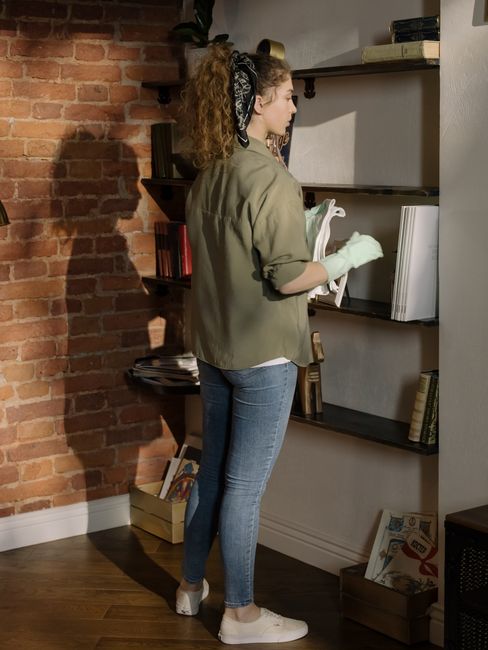
SW12 House Cleaning Checklist for Clapham South Balham
If you live in SW12 and want a home that feels properly fresh rather than just "quickly tidied", a solid cleaning plan makes all the difference. This SW12 house cleaning checklist for Clapham South Balham is designed for real homes, real schedules, and the kind of everyday mess that builds up in busy London life. Think muddy hallway floors after a wet commute, fingerprints on switches, kitchen grease that appears out of nowhere, and bathroom limescale that seems to arrive overnight. We've all been there.
Whether you're preparing for guests, moving in, moving out, or simply trying to keep on top of weekly domestic cleaning, this guide gives you a room-by-room system that is practical, thorough, and easy to follow. You'll also find expert tips, common mistakes, a comparison of cleaning methods, and a simple checklist you can actually use.
Expert summary: the best house cleaning checklist is not the longest one. It's the one you can repeat consistently, adapt to your home, and finish without feeling buried in it. That's the real win.
- Why this checklist matters
- How the checklist works
- Key benefits and practical advantages
- Who it is for and when it makes sense
- Step-by-step guidance
- Expert tips for better results
- Common mistakes to avoid
- Tools, resources and recommendations
- Law, compliance, standards and best practice
- Options, methods and comparison table
- Case study or real-world example
- Practical checklist
- Conclusion
- Frequently asked questions
Why SW12 House Cleaning Checklist for Clapham South Balham Matters
A good house cleaning checklist gives structure to a job that can otherwise feel endless. In Clapham South and Balham, homes often juggle more than one routine at once: commuters, sharers, families, pets, guest stays, and the usual flow of shoes, bags, coats, and kitchen traffic. The result is predictable. Dirt gathers in patterns. Not everywhere, just in the places you notice later-behind taps, on skirting boards, around bin areas, under beds, in grout lines, and on window ledges.
A checklist matters because it turns vague intentions into a repeatable system. Instead of cleaning "the kitchen", you clean the worktops, hob, sink, cupboard fronts, appliances, floors, and touchpoints in a sensible order. That saves time and, to be fair, saves a fair bit of stress too.
It also helps when you need a higher standard. If you're preparing for a move in cleaning or a move out cleaning appointment, a checklist reduces missed areas and awkward last-minute scrambles. And if you prefer a regular routine, it pairs neatly with regular cleaning rather than forcing you into a full overhaul every weekend.
A checklist is not about making cleaning perfect. It's about making it predictable, manageable, and good enough to keep your home comfortable week after week.
How SW12 House Cleaning Checklist for Clapham South Balham Works
The logic is simple: clean from top to bottom, from dry to wet, and from low-traffic areas to high-touch areas. That way you don't undo your own work. Dust falls down, water splashes, and clutter hides grime. The order matters more than most people realise.
In practice, the checklist is broken into sections by room and task type. You start with decluttering, then dusting, wiping, sanitising touchpoints, cleaning fixtures, and finishing with floors. Bathrooms and kitchens usually need the most detail, while bedrooms and living rooms need a focus on dust, fabrics, surfaces, and floors.
If your home has a more demanding cleaning profile-say post-renovation dust, letting-agent standards, or a one-off reset after a very busy month-a deeper approach may be better. In that case, a deep cleaning service or a one-off reset can sit alongside your checklist rather than replacing it entirely. The same goes for jobs like carpets, sofas, or ovens, which often need specialist attention.
One useful way to think about the checklist is this: it keeps the daily and weekly tasks under control, while specialist tasks get their own place. That's cleaner thinking, honestly.
Key Benefits and Practical Advantages
There are a few clear wins when you use a proper house cleaning checklist in SW12.
- Less mental load: you do not have to remember every task from scratch.
- Better consistency: rooms get cleaned in the same sensible sequence each time.
- Fewer missed spots: corners, switches, handles, and edges are less likely to be forgotten.
- More efficient sessions: you can finish quicker because you are not jumping around.
- Better presentation: useful for guests, inspections, rented homes, and family life.
- Reduced build-up: if you stay on top of things, dirt never becomes a huge job.
There's also a very practical local benefit. SW12 homes can be varied: compact flats, maisonettes, larger family houses, and shared properties. The checklist helps you scale your effort without overcomplicating things. A smaller flat may only need a short weekly reset. A larger home might need a more structured plan with rotating tasks.
And yes, the bathroom will still somehow need attention again three days later. That part never changes.
Who This Is For and When It Makes Sense
This checklist is useful for almost anyone living or working around Clapham South and Balham, but it is especially helpful if you fall into one of these groups:
- Homeowners who want a reliable domestic routine
- Tenants preparing for a checkout or moving day
- New movers who want to start with a clean slate
- Busy families trying to keep standards up without spending all day cleaning
- Sharers who need a fair, repeatable plan for communal areas
- Landlords or property managers checking presentation between occupiers
- Hosts who need a dependable reset after stays, especially with Airbnb cleaning
It also makes sense when you want to compare whether to do it yourself or call in support. If the home only needs a tidy and refresh, a checklist may be enough. If you're dealing with built-up grime, post-build dust, or neglected rooms, a more structured service such as one-off cleaning, after builders cleaning, or house cleaning can save time and, sometimes, a bit of sanity.
Truth be told, the right answer depends on the state of the property and how much time you have. No mystery there.
Step-by-Step Guidance
Here is a practical room-by-room system that works well for most SW12 homes. You can adapt it to your layout, but keep the order where possible.
1) Start with a quick reset
Open windows if the weather allows, gather laundry, empty bins, put away dishes, and clear loose clutter from surfaces. Cleaning around clutter usually wastes time. A five-minute reset makes the rest faster and less annoying.
2) Work upstairs or from cleaner rooms first
If your home has multiple levels, begin in the quieter or cleaner areas and move toward the messier ones. This stops dust and debris from being tracked back through finished rooms. Bedrooms are often easiest to start with, then living areas, then bathrooms and kitchens last.
3) Bedrooms
- Dust wardrobes, bedside tables, shelves, picture frames, and skirting boards
- Wipe light switches, handles, and window ledges
- Vacuum under the bed and behind furniture where possible
- Change bedding and check mattress surfaces
- Refresh soft furnishings and curtains if needed
If you notice odours, allergens, or visible marks on the mattress, a specialist mattress cleaning service can be worth considering. It's one of those tasks people ignore until they can't.
4) Living room and communal spaces
- Dust shelves, TV stands, ornaments, and skirting boards
- Wipe remote controls, door handles, and switches
- Vacuum sofas, cushions, and under cushions
- Spot clean marks on tables, walls, and fabric edges
- Vacuum or mop floors depending on finish
Soft furnishings matter here. A room can look clean at first glance but still feel stale if the sofa and rug are holding dust. If that's the case, consider sofa cleaning, rug cleaning, or upholstery cleaning for a fuller refresh.
5) Kitchen
- Clear and wipe worktops
- Clean hob, splashbacks, extractor hood exterior, and cupboard fronts
- Degrease sink, taps, and drain area
- Wipe appliance exteriors and handles
- Check inside the microwave, oven, fridge, and bin area
- Finish with the floor and kickboards
The kitchen is usually where standards slip first because grime builds slowly. If your oven has gone from "a bit used" to "why is it smoking?", professional oven cleaning is often the most efficient fix. For some homes, a broader deep cleaning approach makes more sense than trying to tackle grease piecemeal.
6) Bathroom
- Remove toiletries and wipe shelves
- Descale taps, shower screens, tiles, and heads where relevant
- Scrub toilet, basin, bath, and shower tray
- Clean mirrors and chrome fixtures
- Wipe door edges, light switches, and handles
- Finish by mopping the floor and airing the room
Bathrooms need attention to detail, especially in London properties where limescale and moisture build up quickly. Do not rush the drying stage. A damp bathroom can look freshly cleaned and still feel unfinished. Small thing, but it matters.
7) Hallways and entry points
- Shake out mats and vacuum runners
- Wipe the front door interior, handles, and letterbox area
- Dust skirting boards and any shoe storage
- Mop hard floors and check corners
The hallway is the first impression. In wet weather, it's also the first place dirt lands. If the entrance is stubbornly dusty, there may be more debris than you think from shoes, coats, and bags coming in and out all day.
8) Final pass
Do a slow walk-through. Look for streaks, spots, crumbs, dust lines, and anything that feels "almost done" rather than fully done. That final five-minute review is often the difference between tidy and properly clean.
Expert Tips for Better Results
A few small adjustments can make a big difference.
- Use the right cloth for the right job: microfibre for dusting, separate cloths for kitchen and bathroom areas, and a mop that actually picks up residue rather than pushing it around.
- Let products sit: on stubborn grease or limescale, give cleaners a little dwell time before wiping.
- Clean touchpoints first: handles, switches, remotes, taps, and rails carry a lot more grime than people expect.
- Work from dry to wet: dust before spraying, then wipe and mop.
- Keep a small caddy ready: if everything is in one place, you will actually use it. Sounds simple, because it is.
Another useful habit is rotating jobs weekly. Don't try to deep clean every single room every single week unless you really enjoy it. Most people don't. Rotate window frames, behind appliances, inside cupboards, or skirting boards across the month instead. That keeps standards high without turning cleaning into a second job.
And if you have pets, pay attention to corners, soft furnishings, and under-furniture dust. Fur has a way of collecting in places you'd swear were empty. Sneaky little thing.
Common Mistakes to Avoid
Most cleaning problems are not about effort. They're about sequence, shortcuts, or trying to do too much in one go.
- Starting with floors too early: you'll just walk over them again.
- Using too much product: residue can attract more dust and leave streaks.
- Mixing up cloths: especially in kitchens and bathrooms, this is not the moment to be casual.
- Skipping hidden areas: behind bins, under beds, around taps, and along skirting boards are common misses.
- Cleaning without decluttering first: it slows everything down.
- Ignoring soft furnishings: even a spotless kitchen won't make a dusty sofa smell fresh.
One more thing: don't confuse visible tidiness with a genuinely clean home. A room can look fine in daylight and still have grime around edges, dust on tops, and buildup in the places no one checks until the last minute. That's usually where the trouble starts.
Tools, Resources and Recommendations
You do not need an enormous kit. You need the right basics, kept together and easy to reach.
- Microfibre cloths for dusting and wiping
- A vacuum with attachments for upholstery, corners, and skirting boards
- A mop suitable for your floor type
- Non-abrasive bathroom and kitchen cleaners
- A degreaser for cooking areas
- A limescale remover for taps, shower screens, and tiles
- Rubber gloves if you prefer them
- A small caddy or bucket for carrying supplies room to room
For homes that need more than a standard weekly reset, some services are worth knowing about. Carpet cleaning helps restore fibres that trap dust and spills. Window cleaning improves light and presentation in a way that regular dusting never quite achieves. And if the property is used for business purposes, commercial cleaning may be a better fit than a domestic routine.
If you're comparing options, it can also help to review pricing and quotes and the company's insurance and safety information before booking. Not glamorous, perhaps, but sensible. Very sensible.
Law, Compliance, Standards, or Best Practice
For most households, the main focus is not legal compliance but sensible hygiene, safe product use, and clear expectations. Still, there are a few best-practice points worth keeping in mind.
First, use cleaning products according to the label and keep them away from children and pets. That sounds obvious, yet accidents often happen when products are decanted into unlabelled bottles or mixed in ways they should never be mixed. Common-sense safety beats guesswork every time.
Second, if you are cleaning a rented property, the standard is usually practical cleanliness rather than a promise of perfection. That means the home should be left in a condition that a reasonable person would consider clean, with attention paid to kitchens, bathrooms, floors, surfaces, and appliances. If you are moving out, a focused end of tenancy cleaning approach can help you align with typical property expectations.
Third, if you hire help, it is fair to check the provider's public policies, payment process, and terms. Pages such as terms and conditions, payment and security, and privacy policy are there for a reason. They tell you how the service works and what to expect if there is an issue.
Finally, waste disposal and recycling should be handled responsibly. Empty packaging, used cloths, and discarded clutter should not just be dumped without thought. If sustainability matters to you, it's worth looking at recycling and sustainability practices as part of your broader cleaning routine.
Options, Methods, or Comparison Table
If you are deciding how to handle the cleaning, this comparison can help. The "best" option depends on time, mess level, and how complete you need the result to be.
| Method | Best for | Pros | Limits |
|---|---|---|---|
| DIY checklist cleaning | Routine upkeep, smaller homes, low to moderate mess | Low cost, flexible timing, full control | Can be time-consuming and easy to under-clean hidden areas |
| Regular professional cleaning | Busy households needing ongoing support | Consistent standards, saves time, reduces build-up | May not include every deep-detail task each visit |
| One-off or deep clean | Reset jobs, neglected rooms, special occasions | More thorough than a basic tidy, good for hard-to-reach spots | Usually less suitable as a weekly replacement |
| Specialist add-on services | Carpets, ovens, mattresses, windows, sofas | Targets problem areas properly, improves overall finish | Needs separate planning and may not cover the whole home |
In real life, many homes use a mix. A weekly checklist for the essentials, then targeted specialist help every so often. That balance is often the sweet spot.
Case Study or Real-World Example
Here's a simple real-world example from a typical SW12 household pattern, nothing fancy. A couple in a two-bedroom flat near Clapham South had a habit of doing a "big clean" once a month. By the time they reached it, the kitchen needed degreasing, the bathroom had limescale, the hall floor looked dull, and the lounge had dust on top of dust. The clean took ages and felt like punishment.
They switched to a lighter weekly checklist: quick clutter reset, vacuuming, bathroom wipe-down, kitchen surfaces, and a proper final floor pass. Once a month, they added deeper jobs like skirting boards, cabinet fronts, and sofa cushions. They didn't suddenly become people who love cleaning. Let's not get carried away. But the home stayed easier to manage, and the monthly deep clean stopped feeling so brutal.
That is the point of a checklist. It makes the home easier before it becomes difficult.
Practical Checklist
Use this as a working checklist for SW12 homes. Tick the items that apply to your property and rotate the rest across the month if needed.
- Throughout the home
- Declutter surfaces
- Dust high and low points
- Wipe switches, handles, and touchpoints
- Vacuum or mop floors
- Empty bins and replace liners
- Air rooms where possible
- Kitchen
- Clean worktops and splashbacks
- Wipe cupboard fronts and appliance handles
- Degrease hob and extractor exterior
- Scrub sink and taps
- Clean inside microwave and oven as needed
- Finish with floor and kickboards
- Bathroom
- Descale taps and shower areas
- Clean toilet, basin, bath, and tray
- Wipe mirror and fixtures
- Scrub grout and corners where needed
- Mop floor and dry surfaces
- Bedrooms
- Change bedding
- Dust bedside tables and wardrobes
- Vacuum around and under furniture
- Check mattress and soft furnishings
- Living areas
- Vacuum sofa and cushions
- Dust shelves and skirting boards
- Wipe remotes, tables, and ornaments
- Refresh rugs and upholstery as needed
- Hallways and entrances
- Shake mats and clean runners
- Wipe door and handles
- Vacuum corners and edges
- Check for tracked-in dirt
If you want a deeper reset, this checklist pairs well with targeted services such as house cleaning, regular cleaning, or specialist support for carpets, windows, sofas, and ovens. That way you keep the routine simple without ignoring the bigger jobs.
Get a free quote today and see how much you can save.
Conclusion
A strong SW12 cleaning checklist does not need to be complicated. It just needs to be clear, repeatable, and realistic for your home. Focus on the rooms that matter most, clean in a sensible order, and keep a little room for specialist tasks when they arise. That approach is much easier to live with than chasing perfection every weekend.
In Clapham South and Balham, where homes are busy and schedules are full, a practical checklist is one of the simplest ways to keep your place feeling calm, fresh, and properly looked after. Small steady effort. That's the trick, really.
And when the job feels a bit too big, don't be hard on yourself. A home doesn't need to sparkle all at once to feel cared for. A good clean is often just one honest step at a time.
Frequently Asked Questions
What should be on a SW12 house cleaning checklist for Clapham South Balham?
It should cover every main room, plus the usual trouble spots: kitchen surfaces, bathroom fixtures, floors, touchpoints, skirting boards, and soft furnishings. If you want it to work in real life, keep it practical and room-based.
How often should I use a house cleaning checklist?
Most homes benefit from a weekly checklist, with some lighter touchpoint cleaning during the week. Larger homes or busy shared properties may need a more frequent routine. Honestly, the best frequency is the one you can stick to.
Is a checklist enough for end of tenancy cleaning?
Sometimes, but not always. A checkout clean usually needs a much more detailed finish, especially in kitchens, bathrooms, and around appliances. If you are moving out, end of tenancy cleaning is often the safer route.
What is the difference between regular cleaning and deep cleaning?
Regular cleaning keeps the home presentable and hygienic with recurring tasks. Deep cleaning goes further into built-up grime, neglected corners, and hidden areas. If your home has fallen behind, deep cleaning is usually the better reset.
Should I clean from top to bottom?
Yes. Dust falls, crumbs move, and water splashes. Cleaning from higher surfaces down to floors stops you from undoing your own work. It sounds basic, but it saves time and frustration.
What are the most commonly missed areas in a house clean?
People often miss light switches, skirting boards, door handles, behind toilets, behind bins, under beds, window frames, and the top edges of cupboards. These are small areas, but they change the overall finish more than you'd think.
Do I need specialist cleaning for carpets or upholstery?
If the carpets or furniture look dull, hold odours, or have visible staining, specialist treatment is usually worthwhile. Carpet cleaning and upholstery cleaning can make the home feel noticeably fresher.
How do I keep a checklist from becoming too long?
Split it into weekly, monthly, and occasional tasks. That way the checklist stays manageable and you do not try to do every job in one session. A shorter, repeatable list is usually better than a heroic one you never finish.
Can a cleaning checklist help when renting a property?
Yes. It helps you maintain the property during the tenancy and reduces panic before inspections or check-out. It also gives you a better idea of what needs a final polish if you are preparing to move.
What should I clean first if I only have 30 minutes?
Start with the kitchen and bathroom touchpoints, then vacuum the most visible floors and clear the main surfaces. If time is tight, focus on what people see and touch most. It's not perfect, but it makes a real difference.
Is professional house cleaning worth it for a busy SW12 household?
For many people, yes. If you are working long hours, managing family life, or simply tired of spending weekends chasing dust, a service such as one-off cleaning or regular cleaning can save time and reduce pressure.
How do I choose the right cleaning service?
Look for clarity on what is included, how pricing works, whether the provider is insured, and what happens if something goes wrong. The pages on pricing and quotes, insurance and safety, and terms and conditions are useful starting points.